Most roofing problems don’t begin as emergencies. They begin as small, familiar issues that homeowners often dismiss as normal wear and tear. A minor leak, a few missing shingles, or occasional water staining may seem manageable at first, but these signs usually point to deeper system-wide decline. Over time, repeated fixes stop being effective, and roof replacement becomes less of a strategic upgrade and more of an unavoidable necessity.
Roofing issues also rarely exist in isolation. They interact with other exterior components, including siding, drainage systems, and ventilation, which is why neglecting one area accelerates wear across the entire building envelope. Without consistent exterior maintenance, small problems compound into structural risks, rising costs, and unpredictable performance. Understanding the most common roofing problems—and why they matter—helps homeowners recognize when repairs are no longer enough and replacement is the smarter long-term decision.
Roof Leaks Are a Symptom, Not the Root Problem
A roof leak is rarely the actual problem—it is the signal that something deeper has already failed. Water often enters through compromised flashing, deteriorated underlayment, or stressed seams, then travels along framing before appearing indoors. This is why the visible stain or drip rarely aligns with the true entry point. Chasing the symptom with repeated patching can temporarily stop water, but it leaves the underlying weakness untouched.
Over time, recurring leaks indicate that the roofing system has lost its ability to manage water reliably. As materials age, they become less forgiving to movement, temperature swings, and moisture exposure. When leaks return after repairs, it is often a sign that the roof’s protective layers are nearing the end of their service life, making replacement a more durable solution than continued spot fixes.
Worn or Failing Shingles and Roofing Materials
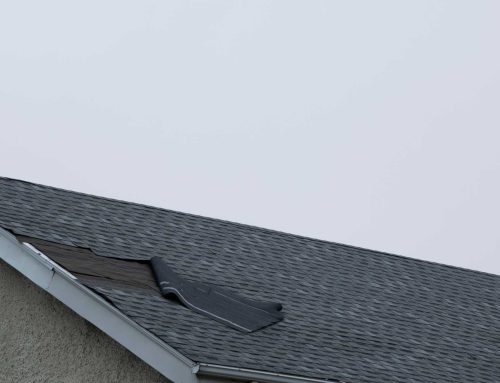
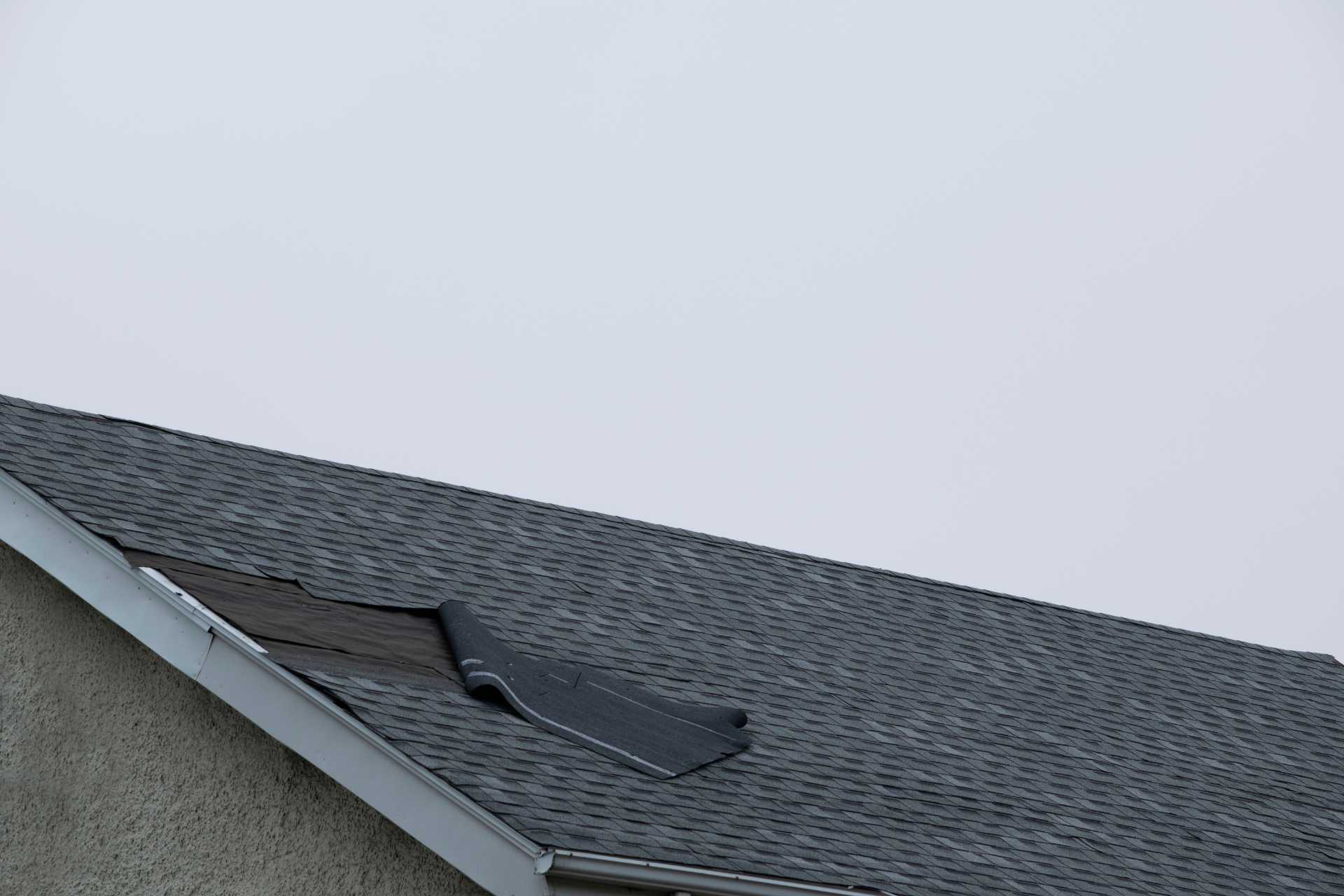
Roofing materials deteriorate gradually, and by the time damage becomes obvious, much of the protective capacity is already gone. Granule loss, curling edges, cracking, and brittleness all indicate that shingles or panels can no longer shield the roof from UV exposure and moisture. Once this breakdown begins, materials lose flexibility and resilience, making them far more susceptible to wind uplift and water intrusion.
At this stage, repairs offer diminishing returns. Replacing individual shingles does not restore the integrity of surrounding materials that are aging at the same rate. When widespread wear appears across multiple areas, it usually signals that the roof has reached a point where replacement provides better long-term protection and cost predictability than ongoing repairs.
Flashing Failures and Weak Roof Transitions
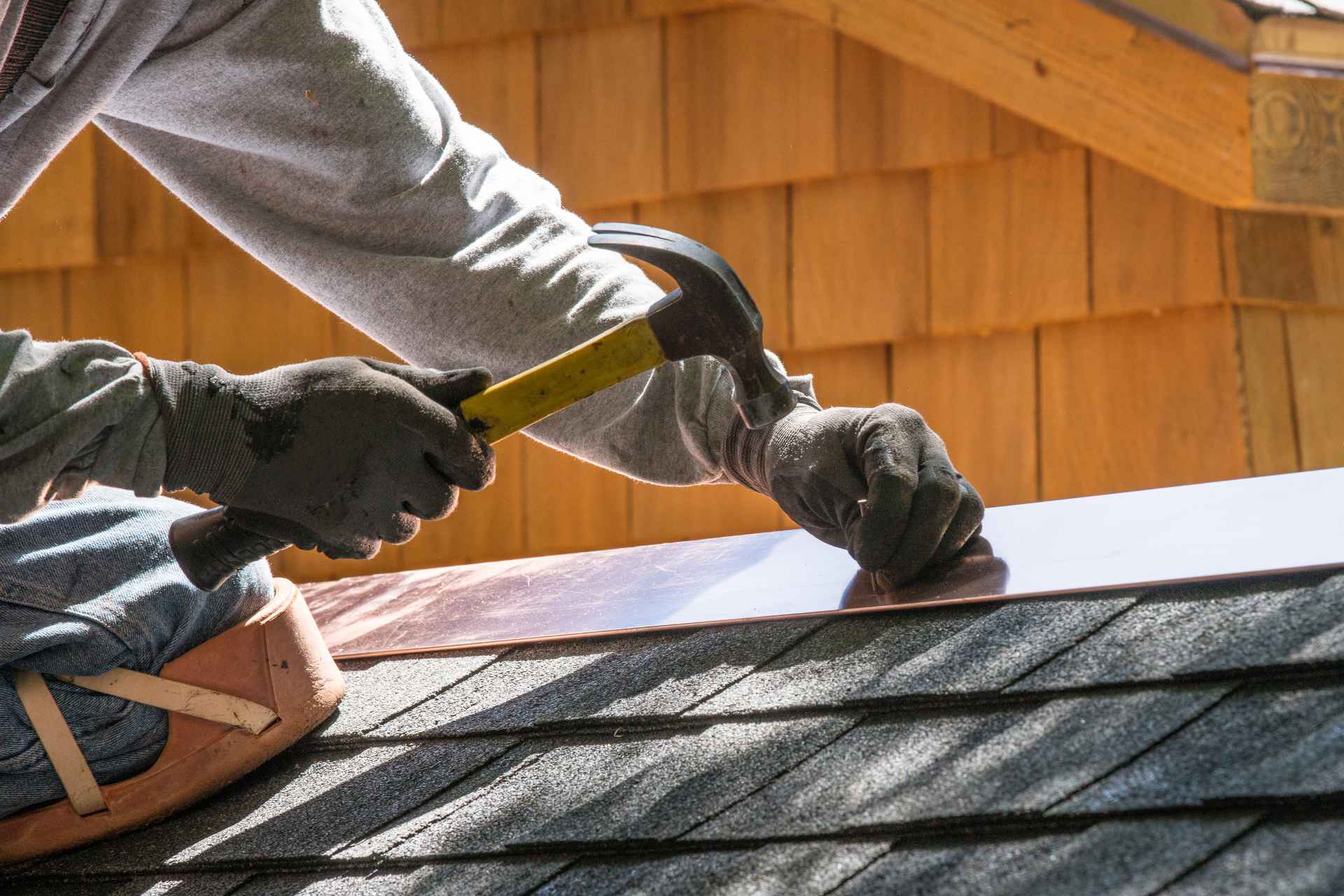
Flashing protects the most vulnerable parts of a roof—areas where planes meet, materials change, or penetrations interrupt the surface. Chimneys, valleys, vents, skylights, and roof edges rely on flashing to redirect water safely. Because these areas experience more movement and water concentration, flashing often fails before the main roofing material does. Once it loosens or corrodes, water can bypass the roof’s primary defences entirely.
Repeated flashing repairs are a common red flag. While isolated flashing issues can sometimes be corrected, widespread or recurring failures usually indicate that the surrounding roofing system has aged beyond reliable repair. Roof replacement allows these transitions to be redesigned and rebuilt as part of a complete system, restoring proper water management instead of continually reacting to weak points.
Poor Drainage, Ice Dams, and Water Backup
Drainage problems place constant stress on a roofing system. When water cannot move off the roof efficiently, it lingers at edges, valleys, and low points, accelerating material breakdown. In winter, slow drainage contributes to ice dams, which trap meltwater and force it back under shingles and flashing. Even in warmer months, backed-up water increases the risk of leaks and softens underlying materials.
Proper design and maintenance make a measurable difference. Roof type matters—flat roofs are ideal for homes and commercial buildings when they are engineered with correct slope, drains, and membranes—but they demand precise water management. Routine tasks like learning how to clean your gutters effectively help prevent overflow and pooling, yet recurring drainage issues often indicate a system that has outgrown spot maintenance and is better addressed through replacement.
Structural Soft Spots and Decking Damage
Structural damage develops when moisture repeatedly penetrates beyond surface materials. Over time, wet decking loses strength, creating soft spots that compromise load-bearing capacity. These areas may feel spongy underfoot or remain completely hidden until a larger failure occurs, posing safety concerns and increasing repair complexity.
Once decking damage is present, repairs typically extend beyond surface fixes. Moisture rarely affects a single spot in isolation; it spreads along seams and fasteners. Roof replacement provides access to inspect and restore the structure beneath, ensuring the new system starts with a sound foundation rather than covering unresolved damage.
Ventilation and Moisture Problems From Below
Ventilation issues shorten roof lifespan by trapping heat and moisture beneath the roof deck. In winter, warm air condenses against cold surfaces; in summer, excess heat accelerates material aging. This internal stress degrades fasteners, encourages mould, and weakens decking long before exterior signs appear.
Surface repairs cannot correct internal imbalance. Replacement creates an opportunity to redesign ventilation, balance airflow, and improve insulation performance. Addressing these factors as part of a full system prevents recurring problems and improves long-term durability.
Repeated Repairs and Rising Maintenance Costs
Frequent repairs often signal diminishing returns. Each patch addresses a symptom, not the cause, and the total cost of repeated service calls can quickly approach the price of replacement. Unpredictable failures also create planning challenges, especially during peak weather seasons when availability is limited.
Replacement shifts the equation from reactive spending to controlled investment. A new system reduces emergency repairs, improves performance predictability, and typically includes warranties that stabilize long-term costs—benefits that repairs cannot match once a roof reaches advanced wear.
When Roofing Problems Point Clearly to Replacement
Replacement becomes the sensible choice when multiple issues appear together: recurring leaks, widespread material wear, flashing failures, drainage problems, and ventilation imbalance. Age combined with these symptoms indicates system-wide decline rather than isolated defects.
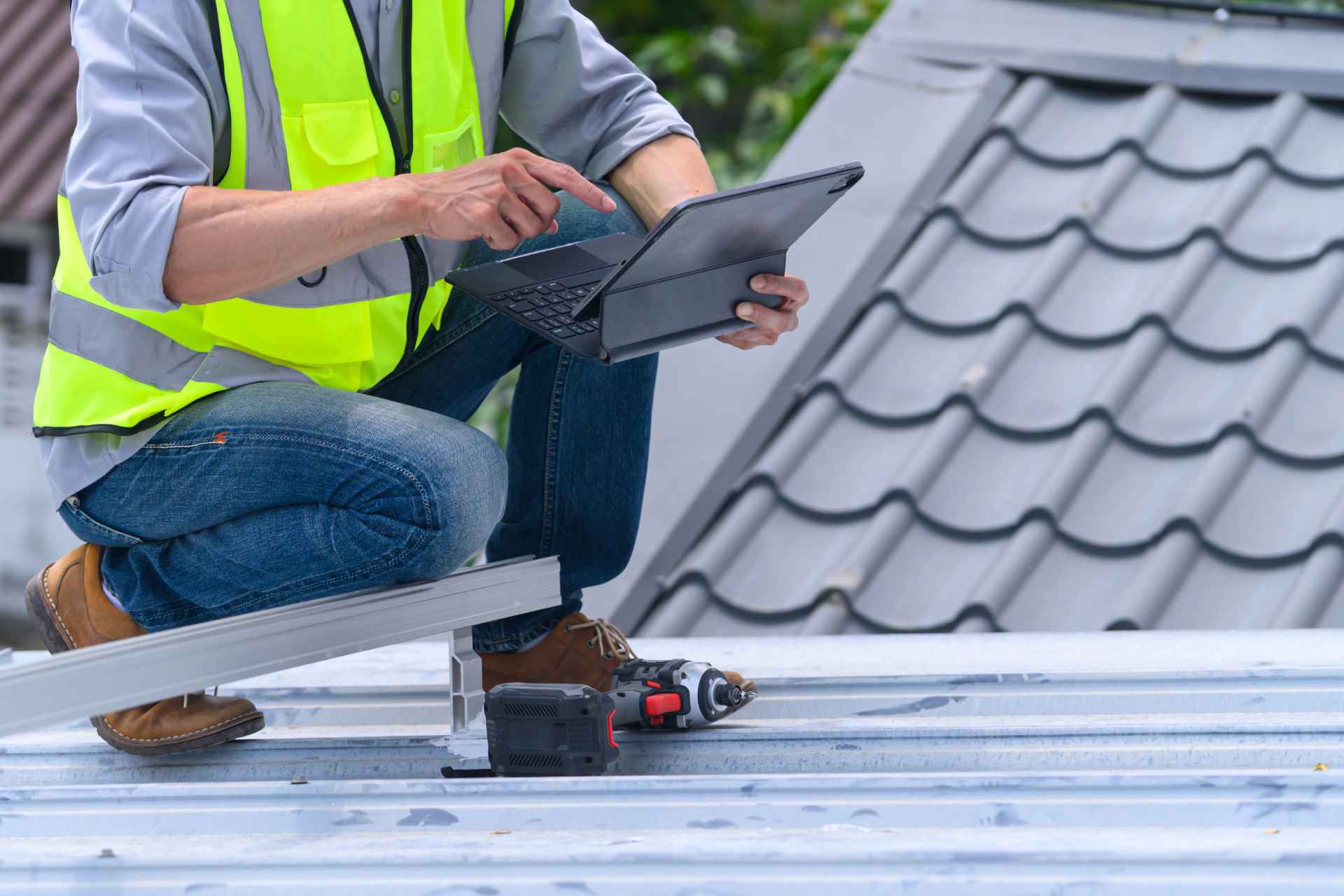
Professional inspections help clarify the decision by evaluating the roof as an integrated system. When findings show that repairs will only delay further issues, replacement offers the safest and most cost-effective path forward.
Roofing Problems Are Decision Signals
Common roofing problems matter because they communicate the condition of the entire system. Small issues reveal where performance is slipping, and recurring failures signal that repairs are no longer enough. Ignoring these messages increases risk, cost, and uncertainty.
Recognizing when problems point to replacement allows homeowners to act proactively. A well-timed roof replacement restores protection, improves reliability, and brings long-term peace of mind—turning familiar problems into a clear plan for the future.