As the Canadian landscape transitions into April 2026, homeowners are shifting their focus toward the annual ritual of seasonal upkeep. The arrival of warmer weather marks the ideal time to evaluate the structural health of a property after months of exposure to sub-zero temperatures, heavy ice accumulation, and high winds. For many, a full roof replacement is a daunting financial prospect that they hope to avoid for as long as possible. In a fluctuating economy, protecting the existing structural assets of a home is a top priority for savvy property owners. However, the key to delaying that major expenditure lies in proactive, small-scale interventions performed during the early spring weeks.
From a preventative care perspective, a homeowner should view their property much like a patient would view their health. Just as you would visit a family doctor for an annual physical to catch minor issues before they become chronic conditions, your home requires a professional assessment to ensure its longevity. A doctor looks for early warning signs of stress in the body; a roofing professional looks for early signs of stress in the shingles and substrate. Neglecting the exterior of the home after a harsh winter can lead to a cascade of structural failures that are far more expensive to fix than simple seasonal repairs.
The Importance of Early Exterior Maintenance
Spring is the most critical window for exterior maintenance. It allows you to address vulnerabilities created during high-stress winter months. The mild weather is also ideal for performing high-quality repairs. In 2026, many regions across Canada saw record-breaking temperature fluctuations. These freeze-thaw cycles put immense pressure on roofing materials. Asphalt, wood, and metal all expand and contract at different rates. These shifts can pull apart the seams of an otherwise sturdy roof. By taking action in April, you ensure your home is ready for the heavy, sustained rainfall typical of a Canadian spring.
One of the most overlooked aspects of this maintenance is the impact of the possible damage caused by heavy winter snowfall. It is easy to underestimate the physical weight of snow. When hundreds of pounds of frozen precipitation sit on a roof for weeks at a time, it compresses the shingles and places significant mechanical stress on the roof deck and rafters beneath. As that snow melts and refreezes, it can pry up shingle tabs or compromise the waterproof seals around chimneys, skylights, and plumbing vents. This process, often referred to as “ice lifting,” creates microscopic entry points for water. Identifying these “stress points” now is the only way to prevent interior water damage and mould growth during the next major storm.
Spring Repair 1: The Gutter and Drainage Audit
The first line of defence in any roofing system is a functional drainage system, making a comprehensive gutter audit essential as soon as the winter ice melts. Throughout the colder months, troughs often accumulate grit, organic debris, and shingle granules that can cause meltwater to back up under the eave shingles, leading to hidden fascia rot, soffit damage, and attic leaks. To prevent this, homeowners must clean the gutters thoroughly as soon as the last of the ice has melted to ensure water flows freely.
Beyond merely clearing these obstructions, homeowners must inspect the structural alignment of the system, as the immense weight of heavy snow and ice dams frequently warps brackets or pulls fasteners from the wood. If these structural issues cause the gutters to sag or lose their pitch, water will pool near the foundation rather than exiting through the downspouts, eventually causing basement seepage and structural cracking in the concrete foundation.
Spring Repair 2: Restoring Flashing and Sealants
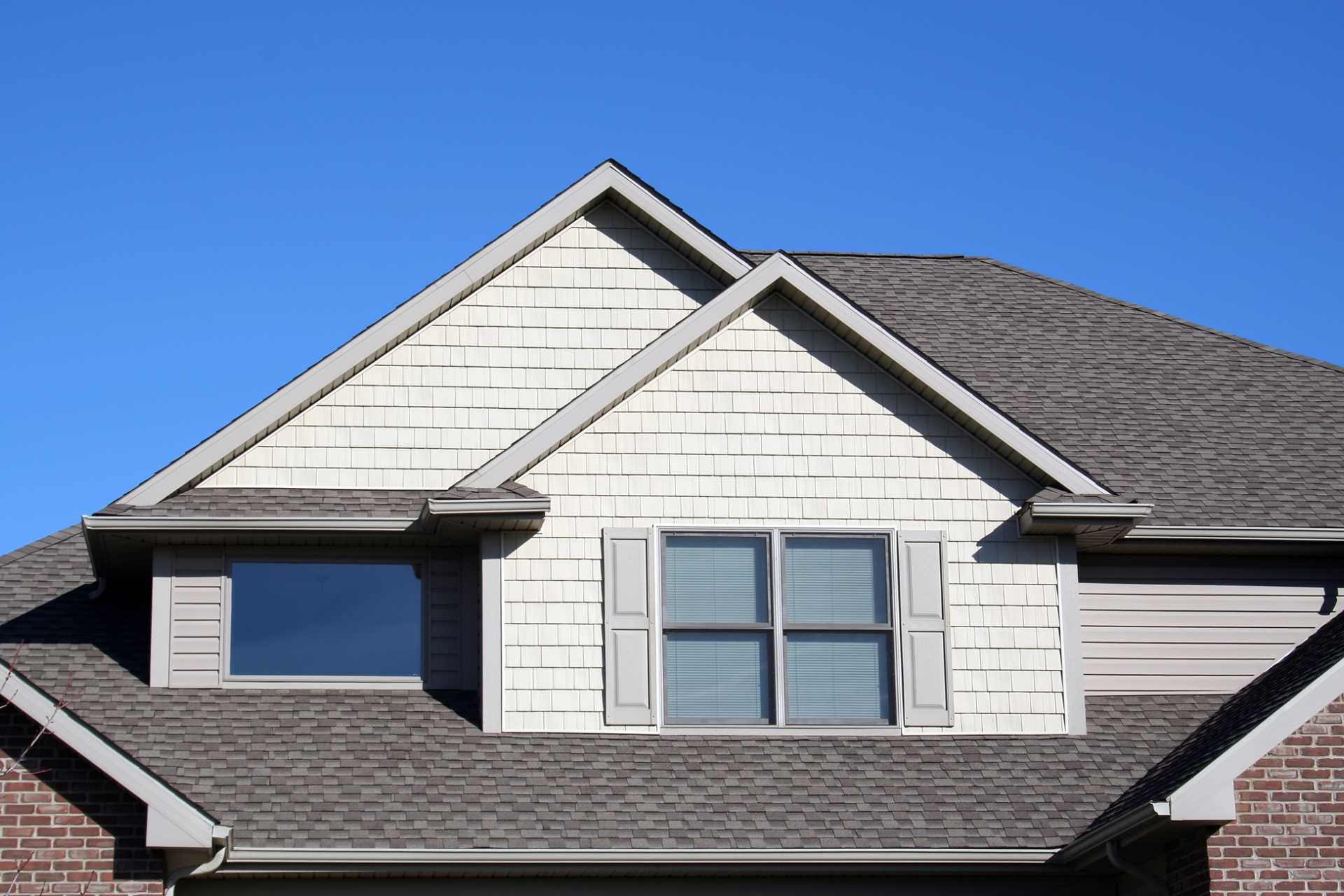
Flashing—the thin metal stripping found around roof “penetrations” like chimneys, dormers, and valleys—is responsible for a staggering majority of “mystery leaks” found in the spring. Because metal expands and contracts much more rapidly than asphalt shingles or wood, the sealant or caulking around these joints often cracks, peels, or shrinks after a long winter. During a spring audit, these areas should be meticulously inspected for gaps. Re-caulking a vent boot or securing a loose piece of flashing is a minor, low-cost repair. However, ignoring it can save thousands of dollars in interior drywall restoration and attic insulation replacement later in the year.
Spring Repair 3: Shingle “Tune-Up” and Tab Resealing
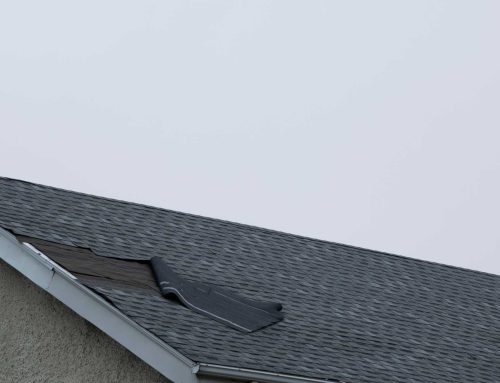
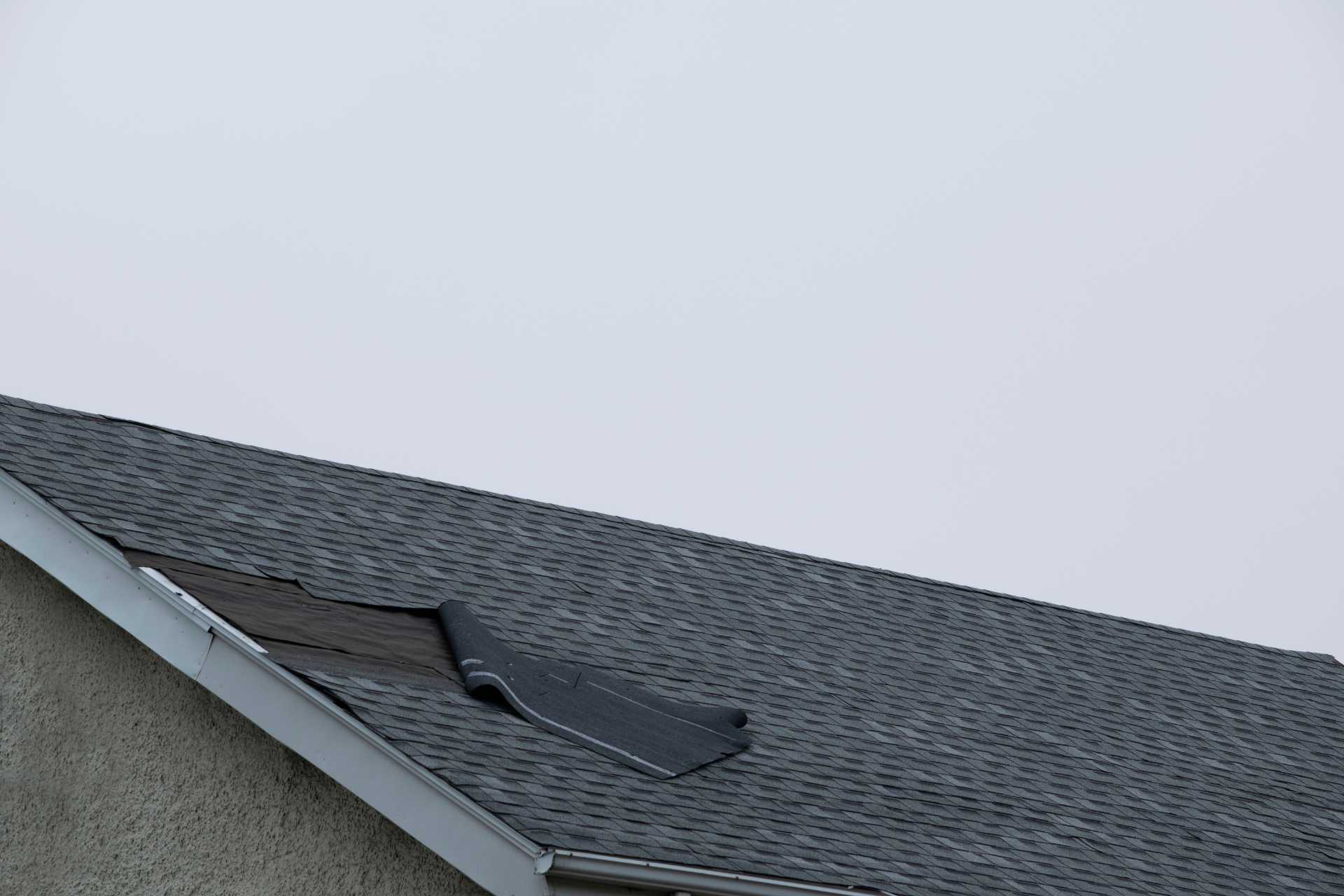
High winds and the weight of sliding ice often break the adhesive thermal bond on asphalt shingle tabs. When these tabs are no longer sealed to the layer beneath them, they become susceptible to “wind uplift.” During a spring rainstorm, wind can blow water directly under these loose shingles and onto the unprotected roof deck. A professional “tune-up” involves manually applying specialized roofing cement to these loose tabs to re-establish a waterproof seal. This simple act of future-proofing the roof ensures it can survive the high-intensity summer storm season without losing pieces of the roof to the wind.
Spring Repair 4: Addressing Ventilation and Insulation
Many of the problems discovered in the spring are actually symptoms of poor attic ventilation during the winter months. If an attic is too warm due to escaping household heat, it creates ice dams that force water under the shingles. Part of your spring exterior maintenance routine should include checking that soffit vents are not blocked by bird nests or stray insulation. Ensuring proper airflow not only prevents future ice dams but also helps regulate the home’s temperature during the coming summer months. A well-ventilated roof lasts longer because it isn’t “cooking” the shingles from the underside during July and August.
Spring Repair 5: Professional Assessment of the Roof Deck
While many tasks can be identified from a ladder, some issues require a professional eye and the experience of walking the actual roof surface. A technician can identify “soft spots” in the plywood decking by feeling for a “spongy” sensation underfoot. These soft areas often indicate that water has bypassed the shingles and started to rot the wood substrate beneath. Catching a soft spot in April 2026 might mean replacing a single sheet of plywood and a few bundles of shingles. If you ignore it, the rot will spread to the rafters, and by 2027, the entire roof deck may be compromised, forcing an emergency replacement.
The Financial Logic of Preventative Care
In the 2026 real estate and insurance markets, “documented maintenance” has become a critical factor in property valuation. Insurance providers are increasingly selective about their policies. They often settle claims more quickly when a homeowner can prove they have performed regular, professional inspections. Furthermore, keeping a detailed log of your repairs adds significant value when it comes time to sell or refinance. This record demonstrates to a potential buyer that the home has been cared for at a professional level. It also reduces the fear of hidden “money pits.”
Ultimately, the goal of spring repairs is to extend the utility of existing materials for as long as possible. This proactive care helps you avoid a premature roof replacement. Many roofs can last 20 years or more with the right attention. By addressing the possible damage caused during the winter, you are making a high-ROI investment. Taking the time to clean gutters and seal flashing is a strategic choice. It prioritizes a small expense today over a massive structural cost in the future.
Act Before the Rain
The Canadian spring is notoriously unpredictable. A clear April morning can quickly turn into a heavy afternoon deluge. This moisture tests every seam of your home’s exterior. By performing these five essential repairs now, you remove the stress from your home’s structure. You also protect your personal budget. A proactive approach to roof care ensures your home remains a safe and valuable asset. Don’t wait for a drip from the ceiling to tell you that maintenance was due. Take control of your home’s health this spring. You will enjoy the peace of mind that comes with a secure roof.