When homeowners in Canada purchase a property, they often treat the roof as a “set it and forget it” feature. They see a “30-year shingle” or a “50-year metal panel” on a specification sheet and assume they are covered for decades. However, there is a significant difference between a material’s theoretical durability and its actual performance in the wild. Facing a sudden roof replacement much earlier than expected is a common frustration, often occurring just as other major home systems begin to age.
Think of your roof like your HVAC system. Just as you might face a sudden furnace repair during the first cold snap of November because of neglected filters, your roof can fail prematurely due to hidden environmental stressors. In the Canadian climate, where temperatures can swing sixty degrees between seasons, the “lifespan” of your roofing material is not a static number. It is a variable influenced by physics, chemistry, and craftsmanship. Understanding these factors is essential for protecting your home’s most important structural asset.
The Quick Edit: Key Takeaways
- Lifespan vs. Service Life: Material warranties often cover manufacturing defects, but “service life” is determined by attic health and weather resilience.
- Material Choice Matters: Metal offers superior longevity against ice and snow, but high-grade architectural shingles remain a robust, cost-effective alternative, if maintained.
- The “Value” Connection: A roof is not just a shield; it is a primary factor in a home’s appraisal and marketability in 2026.
Factor 1: Material Quality and Composition
The foundation of any roof’s longevity is the material itself. Asphalt shingles and metal panels fail in fundamentally different ways. For shingles, the “clock” starts with UV degradation. Over time, the sun’s rays evaporate the essential oils in the bitumen, causing the shingles to become brittle. Once the oils are gone, the protective granules shed, leaving the asphalt mat exposed to the rain.
Metal, conversely, is largely immune to UV breakdown. Its primary enemies are coating failure and fastener fatigue. High-quality standing-seam metal roofs use a “floating” clip system that allows the panels to expand and contract without stressing the screws. If a lower-grade metal system is used with exposed fasteners, the rubber washers will eventually perish, leading to leaks long before the metal itself rusts. Choosing the right “grade” of material for your specific region is the first step in ensuring you don’t end up back at the drawing board in ten years.
Factor 2: The “Invisible” Variable – Attic Ventilation
If you want to know why a roof failed in twelve years instead of twenty-five, look in the attic. Ventilation is the “breathing” system of your home. In the summer, a poorly vented attic becomes a convection oven, reaching temperatures that can bake shingles from underneath. This accelerated heat exposure is one of the most common roofing problems leading to premature aging.
In the winter, the stakes are even higher. Without proper airflow, heat from the living space stays trapped against the roof deck. This melts the bottom layer of snow, which then runs down to the cold eaves and freezes, creating ice dams. These dams force water back up under the shingles or metal seams. A roof is only as good as the air moving beneath it. Ensuring a balanced intake and exhaust system is the single most effective way to preserve the structural integrity of both the shingles and the wooden deck.
Factor 3: Installation Precision & Craftsmanship
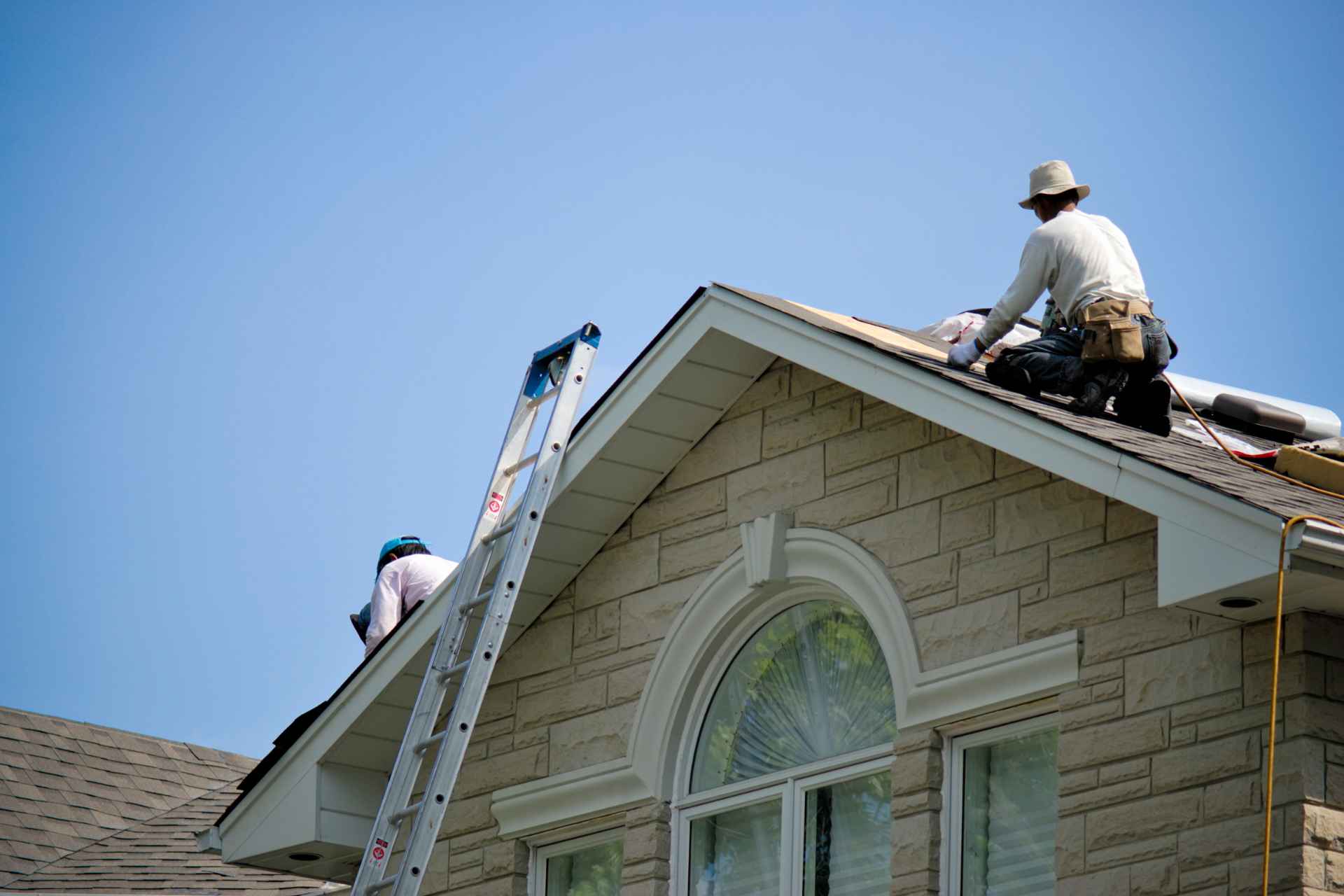
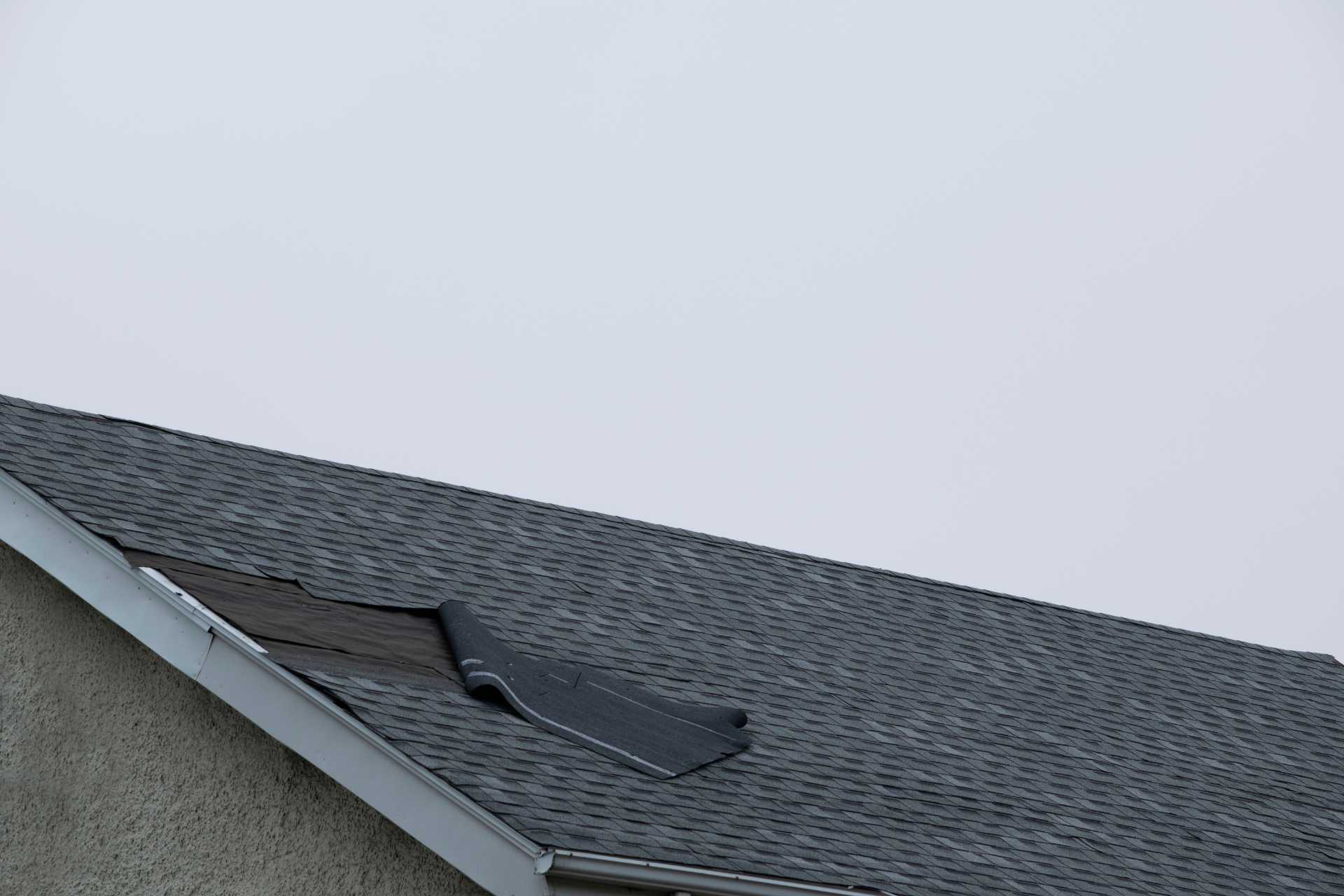
A roof is a complex assembly of flashing, underlayment, and fasteners. Even the most expensive metal panels will fail if the flashing around the chimney or “valleys” is done poorly. High-nailing—a common error in the shingle industry—means the nail is placed above the reinforced strip. This drastically reduces the roof’s wind resistance, leading to shingles blowing off during a typical Canadian windstorm.
Craftsmanship also dictates how the roof handles “penetrations” like plumbing stacks and skylights. These are the weak points of any system. A professional installer ensures that these areas are double-layered with ice and water shields. When corners are cut during installation to provide a lower quote, the homeowner is essentially trading a few thousand dollars in savings today for a five-figure repair bill five years down the road.
Factor 4: Crossing the Threshold – When to Choose Roof Replacement
There is a point where maintenance becomes a game of “diminishing returns.” Knowing when to stop patching and commit to a full overhaul is a vital financial skill. It is important to remember how the roof’s condition affects the home’s value. A roof that looks patched and weathered is a massive red flag to any appraiser or buyer. It signals that the home may have underlying moisture issues or mould.
When you see widespread shingle curling, significant metal coating peeling, or repeated leaks in the same area, maintenance is no longer viable. At this stage, a full roof replacement is the only way to protect the “equity” of the building. In 2026, buyers are increasingly looking for homes that are “storm-ready.” Replacing a failing roof before putting a house on the market often results in a higher sale price and a much faster closing, as it removes the biggest “unknown” for the purchaser.
Factor 5: Environmental Load
The Canadian environment is uniquely hostile to roofing systems. We face a combination of high-wind events and massive weight loads during heavy winter snowfall. This snow doesn’t just sit there. It exerts thousands of pounds of pressure on the roof structure. If a roof is aging, this pressure can cause the deck to sag, creating “ponds” where water will sit during the spring melt.
Furthermore, wind-driven rain can push moisture horizontally. Modern roofing systems are designed to withstand this, but only if they are intact. Once a shingle has lifted slightly or a metal fastener has loosened, the wind uses that opening to drive rain deep into the structure. This environmental “testing” happens every year. A roof that survived five winters might fail on the sixth because the cumulative stress has finally reached a breaking point.
Planning for the Next 50 Years
Longevity is not an accident. It is the result of choosing the right materials, ensuring expert installation, and maintaining the system over time. Whether you choose the versatile protection of architectural shingles or the multi-generational durability of metal, the goal is the same: to create a barrier that lets you sleep soundly regardless of the weather.
Don’t wait for a ceiling stain to tell you that your roof’s lifecycle is ending. Be proactive. Monitor your attic’s temperature, clear your gutters, and keep an eye on the condition of your shingles or panels. By understanding the factors that dictate your roof’s “lifespan,” you move from being a reactive homeowner to a strategic property owner. Treat your roof as the high-value asset it is, and it will continue to protect your home, your family, and your financial future for years to come.