When buyers evaluate a property, the roof is one of the first structural elements they assess. Visible aging, missing shingles, or sagging sections can immediately raise concerns about future expenses. In many cases, buyers factor potential roof replacement costs into their initial offer. A well-maintained roof signals structural stability and responsible ownership. Conversely, visible wear often lowers buyer confidence before an inspection even begins.
Even a seasoned custom home builder understands that roofing quality influences both durability and resale perception. The roof protects not only the structure but also the financial value of the home. Buyers often associate roof condition with the overall level of care invested in the property. A neglected roof can suggest broader maintenance concerns. Understanding how roof condition affects market perception helps homeowners protect their long-term investment.
Why Roof Condition Matters to Buyers
Buyers often view the roof as a major future expense rather than just another structural feature. If visible wear suggests that replacement may be needed soon, offers are typically adjusted downward. Even without active leaks, aging shingles can create hesitation during negotiations. Many purchasers calculate how soon they may need to invest in roof replacement and factor that cost into their budget. This perception directly influences both listing competitiveness and final sale price.
Visible deterioration can also raise concerns about common roofing problems that may not yet be apparent. Buyers may wonder whether ventilation, flashing, or underlayment issues are developing beneath the surface. These uncertainties can lead to inspection contingencies or requests for credits. A roof that appears structurally sound reduces negotiation pressure. Maintaining strong exterior condition helps preserve buyer confidence.
How Roofing Issues Affect Home Appraisals
Appraisers assess the remaining lifespan of a roof when determining property value. Visible deterioration, curling shingles, or structural sagging can signal reduced longevity. When replacement appears imminent, it may influence valuation adjustments. Lenders also review inspection findings carefully because roofing deficiencies increase financial risk. A roof nearing the end of its life can affect loan approvals or required conditions before closing.
Insurance providers may also evaluate roof age and condition before issuing coverage. If structural concerns are identified, buyers may be required to complete repairs before coverage begins. Deferred maintenance raises red flags for lenders and underwriters alike. A well-maintained roof supports smoother transaction timelines. Proactive attention to roofing condition protects both appraisal value and financing stability.
The Financial Impact of an Aging Roof
An aging roof can directly reduce the amount buyers are willing to pay. If the roofing system appears worn, purchasers often request price reductions to offset anticipated expenses. Even when no active leaks are present, the expectation of future replacement creates negotiation leverage. Sellers may face repair credits or escrow holdbacks to satisfy lender requirements. Over time, these adjustments can significantly affect final sale proceeds.
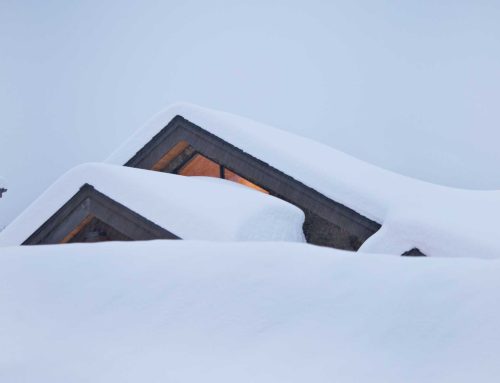
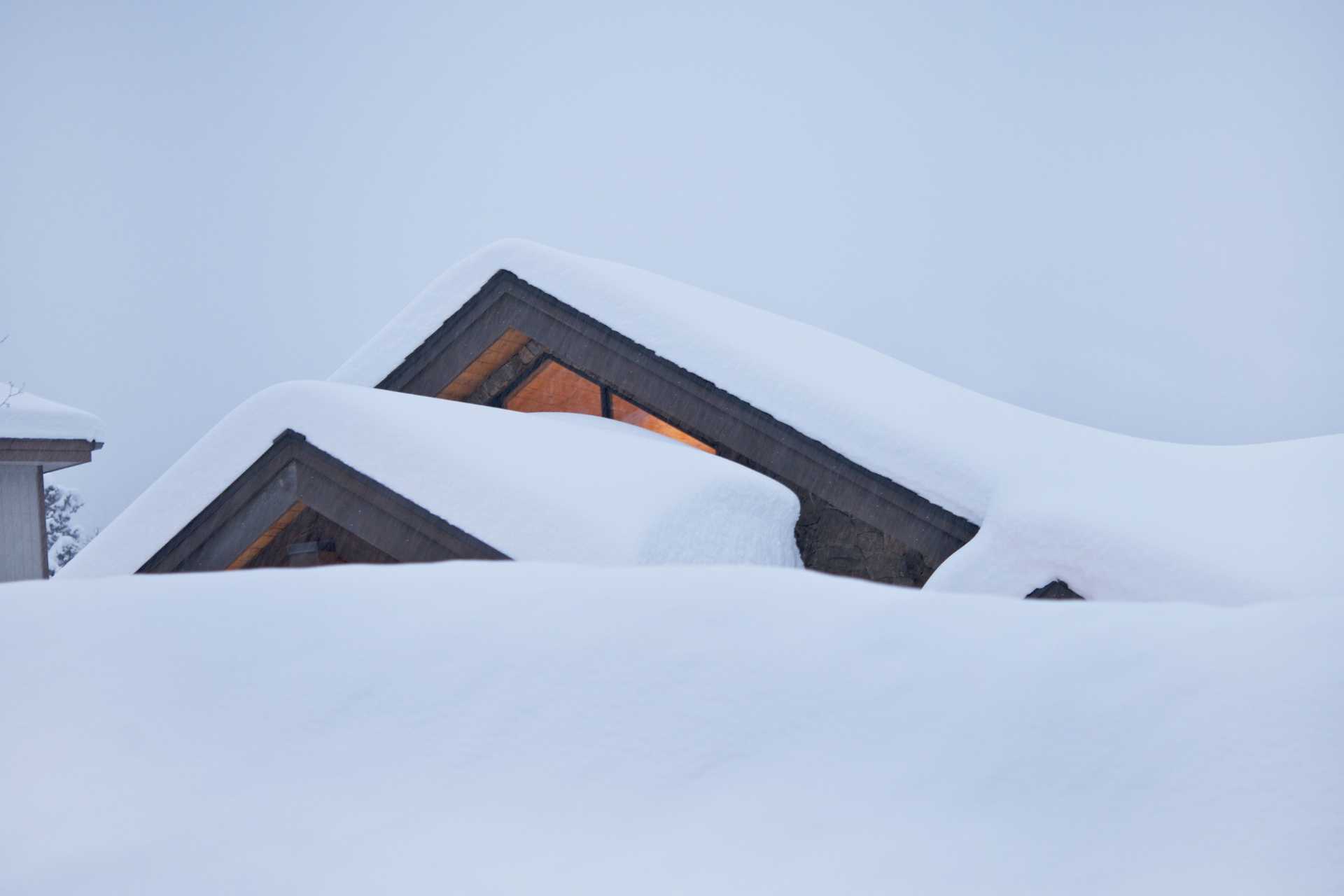
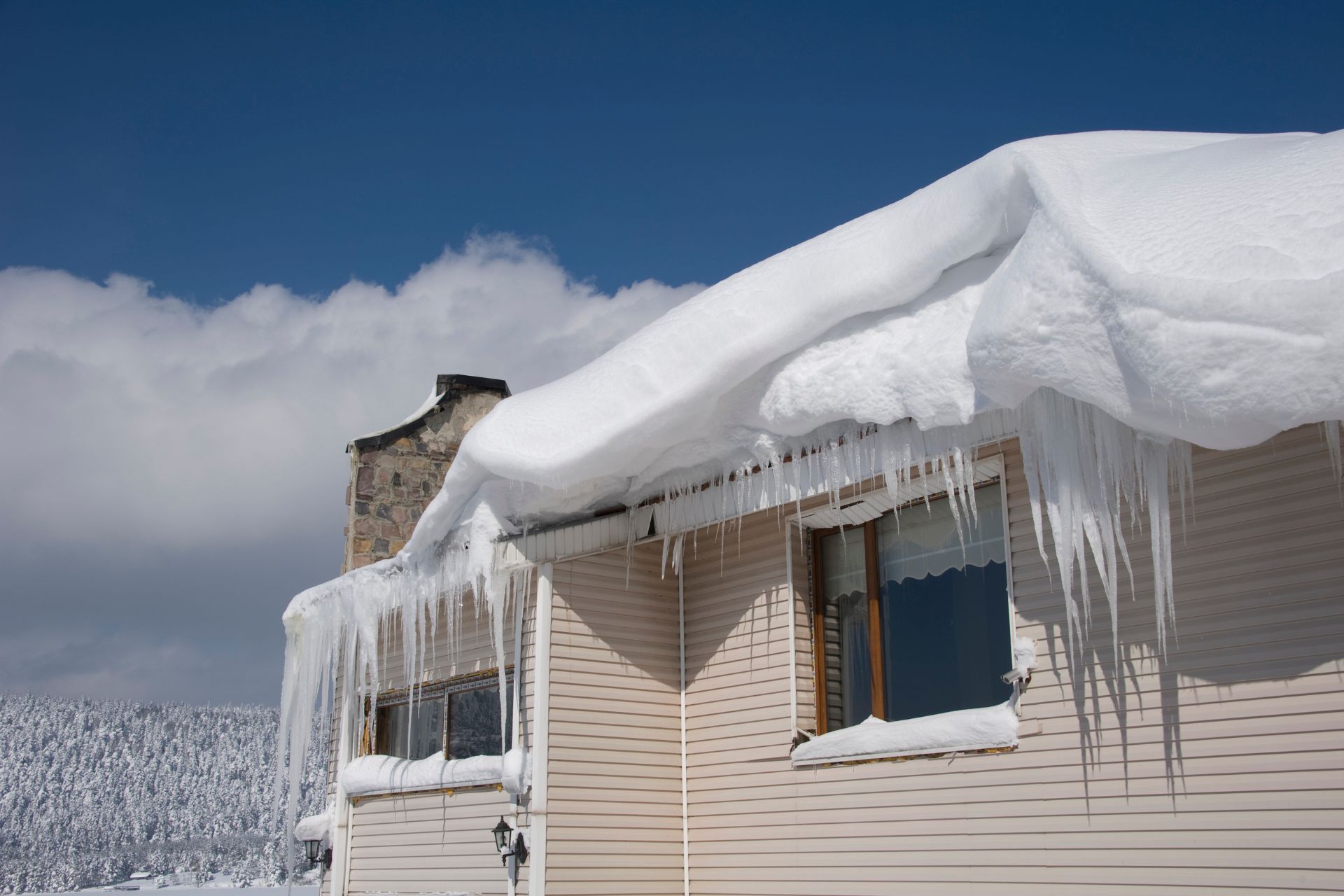
Seasonal conditions also influence buyer perception. If a roof shows signs of vulnerability during heavy winter snowfall, buyers may question its structural resilience. Snow accumulation can highlight sagging areas or uneven surfaces that were less visible in warmer months. Concerns about winter performance often accelerate requests for replacement discussions. Addressing roofing concerns before listing reduces the risk of last-minute negotiation setbacks.
How Roof Repairs vs Replacement Influence Value
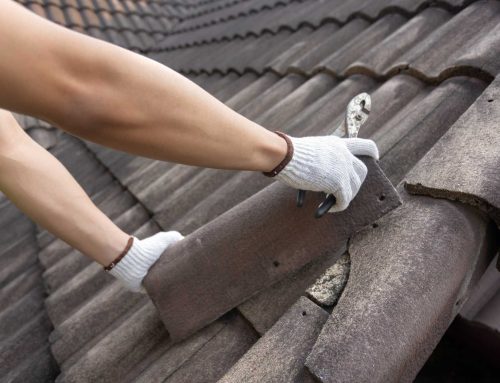
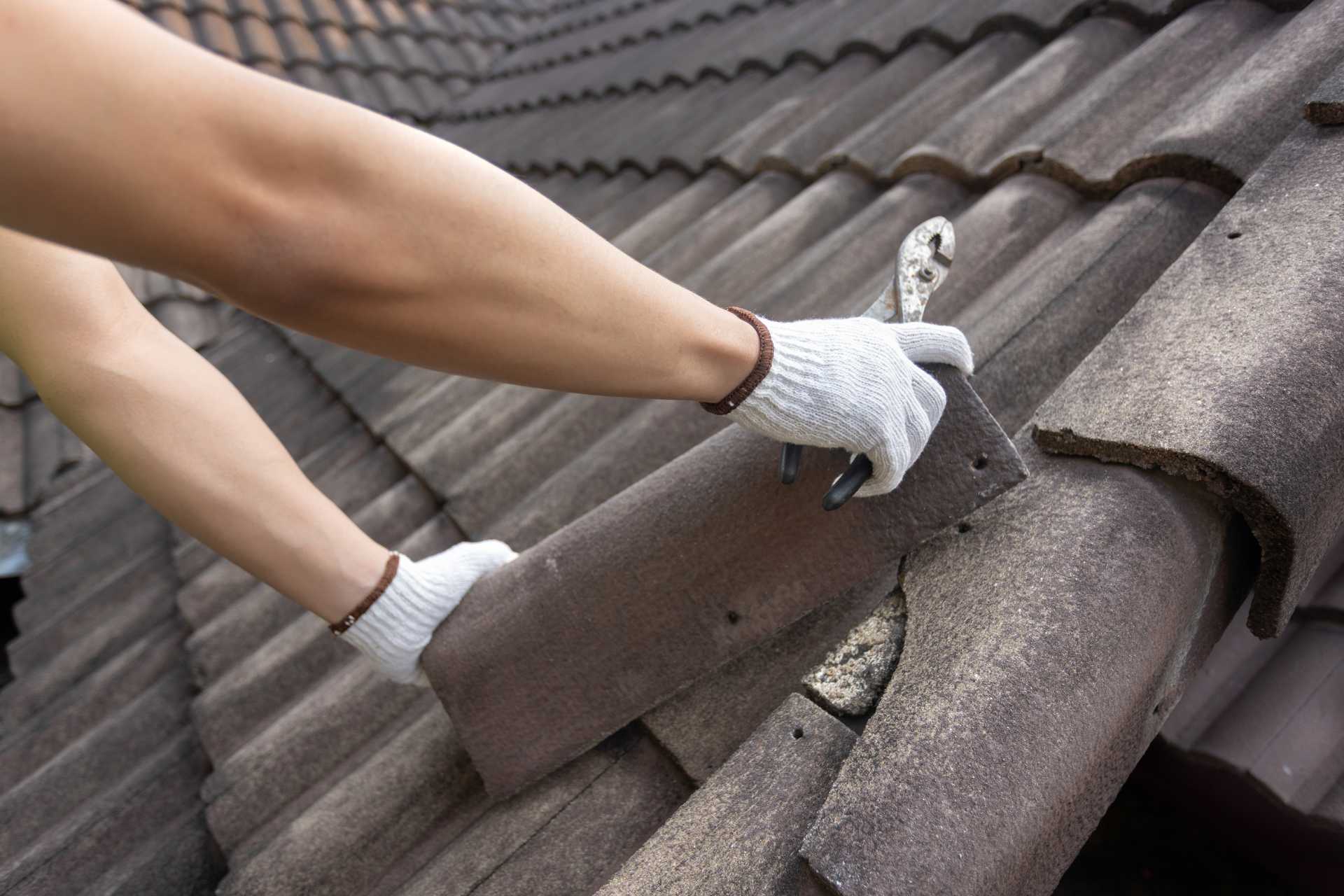
Targeted repairs can resolve isolated damage and extend the life of a roofing system. Replacing flashing, sealing minor leaks, or correcting ventilation deficiencies may restore structural integrity when deterioration is limited. However, when wear is widespread, partial fixes may only delay the inevitable. Buyers often distinguish between a recently repaired roof and one nearing full replacement. Understanding this difference helps sellers determine the most strategic investment before listing.
In some cases, committing to full replacement provides stronger buyer reassurance. A new roofing system reduces uncertainty and removes negotiation leverage tied to future expenses. While the upfront cost is higher, replacement can stabilize property value and support a smoother transaction. When deterioration is advanced, replacement may offer greater financial clarity than repeated short-term repairs. Evaluating roof condition realistically helps align investment decisions with market expectations.
The Role of Curb Appeal in Perceived Property Value
The roof is a dominant visual element of any home’s exterior. Discoloration, uneven shingle lines, or visible wear can immediately affect buyer perception. Even before stepping inside, potential buyers assess whether the property appears well-maintained. Strong roof condition complements overall home exterior maintenance, reinforcing the impression of responsible ownership. A cohesive exterior presentation increases buyer confidence and perceived value.
Conversely, visible roofing deterioration may overshadow recent interior upgrades. Buyers may assume that if the roof shows neglect, other maintenance areas could also require attention. Exterior consistency signals structural reliability and long-term durability. When the roof aligns visually with siding, gutters, and landscaping, it strengthens listing appeal. Maintaining exterior integrity protects both market competitiveness and final sale potential.
Why Pre-Listing Roof Inspections Matter
A pre-listing inspection provides clarity before a buyer’s assessment introduces uncertainty. Identifying weaknesses early allows sellers to decide whether repair or replacement is necessary. Addressing concerns proactively reduces the likelihood of renegotiation during closing. Clear documentation of roof condition strengthens seller credibility. Preparation limits surprises that could delay or complicate a transaction.
Professional evaluation also supports pricing strategy. When roof condition is confirmed as sound, sellers can list with greater confidence. If replacement is recommended, addressing it beforehand may prevent price reductions later. Transparency often leads to smoother negotiations and fewer contingencies. Early assessment protects both timeline and financial expectations.
A Strong Roof Protects More Than Structure
Roof condition directly influences buyer confidence, appraisal outcomes, and overall market value. When deterioration is visible or replacement appears imminent, negotiations often shift in the buyer’s favour. Proactive evaluation and timely decision-making reduce financial uncertainty and preserve property competitiveness. Whether through strategic repairs or full replacement, addressing roofing concerns strengthens resale positioning. A well-maintained roof protects not only the home’s structure but also its long-term financial value.