As summer heatwaves become more frequent and severe across Canada, homeowners naturally focus on keeping their indoor living spaces cool. We program our smart thermostats, close our blinds, and count on our cooling systems to combat the climbing outdoor temperatures. However, a dangerous thermal battle is often taking place directly above your head in the attic space. Without proper ventilation, the area right under your roof line transforms into a massive heat reservoir that compromises your entire property.
When a roof cannot breathe, it forces your home to work twice as hard to maintain a stable, comfortable indoor temperature. Your home functions as a single, connected environment where your roofing and HVAC system work together to keep you comfortable all-year round. If the roof structure is fundamentally compromised or choked off from fresh air, it places an immense physical burden on your indoor cooling equipment. Investing in a timely roof replacement is often the only permanent way to fix these deep thermal design flaws, safeguard your structural envelope, and lower your energy footprints.
The Quick Edit
- The Attic Superheat: Poorly ventilated attic spaces can easily exceed 65°C on a normal summer day, baking your structural roof decking and underlayment from the inside out.
- The Substrate Damage: Trapped attic heat causes asphalt shingles to blister, wood shakes to warp, and modern metal panels to experience severe expansion stress.
- The Permanent Cure: Executing a comprehensive roof replacement allows installers to correct poor airflow mechanics by cutting in modern, continuous intake and exhaust ventilation channels.
The Internal Oven Effect: Understanding Attic Thermodynamics
To understand how summer weather strains your property, you must look closely at the physics of attic thermodynamics. On a standard 30°C Canadian summer afternoon, direct solar radiation strikes your roof surface continuously for hours. If your home features an engineered ventilation system, this intense heat is immediately swept away by a continuous stream of moving air. Cool air enters through your lower soffit vents, warms up slightly, and exits naturally through the high peak ridge vents.
However, millions of Canadian homes suffer from choked, blocked, or completely missing ventilation pathways. When airflow stalls, your attic turns into an absolute structural oven. The ambient air becomes trapped in place, absorbing raw heat from the baking roof deck without any escape route. This breakdown explains how hot does an attic get in summer, with unventilated spaces regularly soaring past 65°C during peak afternoon hours.
This extreme heat accumulation creates a massive, downward thermal push against your living spaces. The heavy layer of superheated air easily penetrates your attic floor insulation over time. It radiates heat straight down into your upper-level bedrooms, hallways, and living spaces. This thermal transfer forces your air conditioner to run constantly without a break, driving up your monthly utility bills and accelerating the wear and tear on your mechanical equipment.
Cooking From the Inside Out: How Trapped Heat Damages Substrates
Extreme attic heat does not just make your upper floors uncomfortable. It actively destroys the physical structure of your roof from underneath. When hot air cannot escape, it cooks the wooden plywood decking and your primary roofing materials from the inside out. This hidden process represents one of the most common roofing problems discovered by inspection teams during the warm summer months.
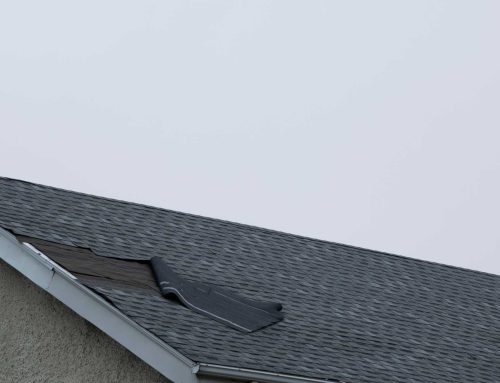
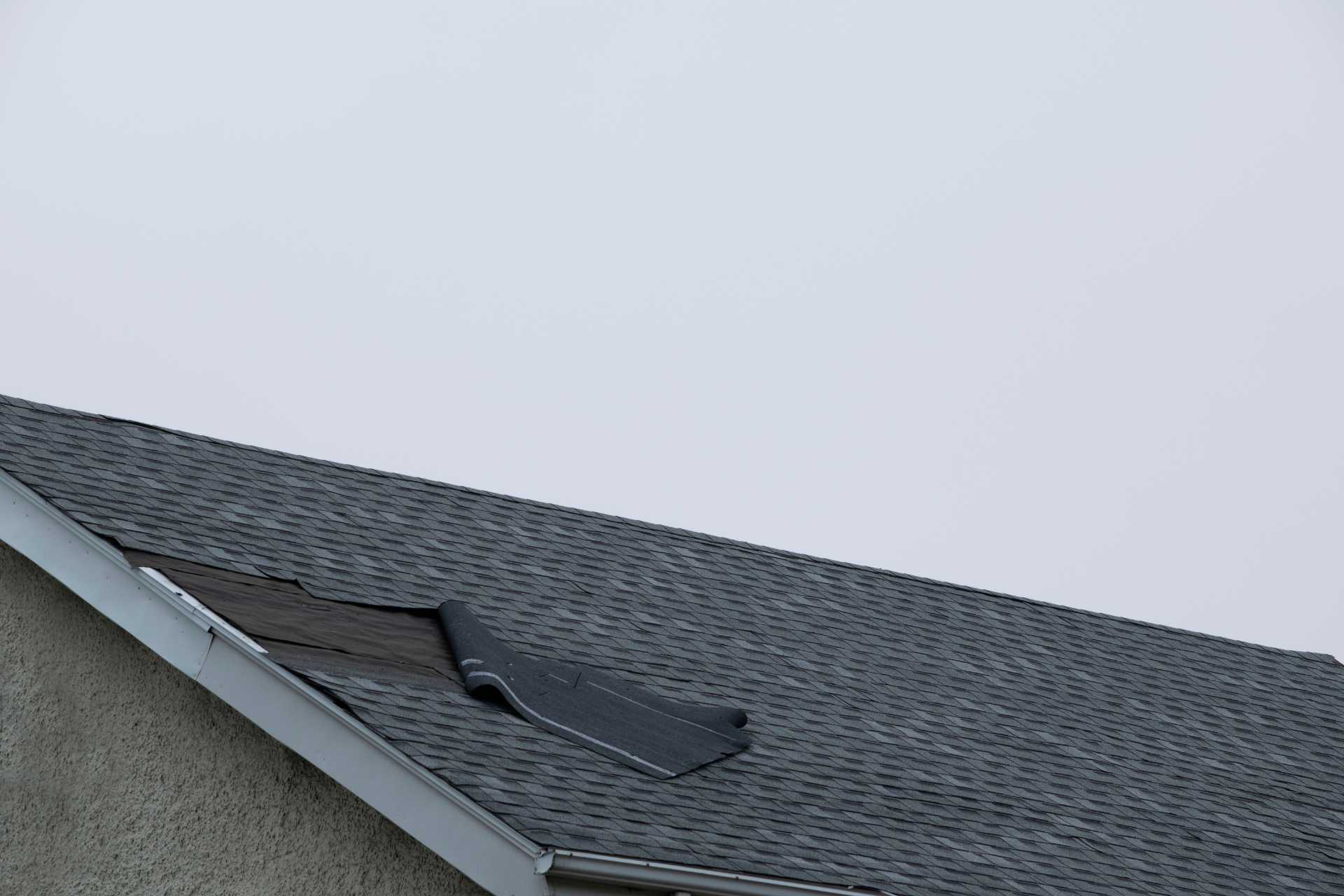
On standard asphalt roofs, this internal baking process targets the synthetic underlayments and the shingle backing. The extreme heat forces the asphalt chemistry to overheat and release trapped gasses. These expanding gases push outward through the shingle face, creating small, fragile air bubbles known as heat blisters. These blisters eventually pop under direct sun or foot traffic, exposing the raw fibreglass core to rain and causing rapid, localized leaks.
Other roofing substrates suffer from this intense thermal loading as well. Natural cedar shakes dry out far too quickly under extreme attic heat, causing the wood fibers to warp, split, and curl away from their fasteners. Even modern metal roofing systems experience intense stress when heat builds up below the deck. The extreme temperature differentials trigger massive thermal expansion along the panel tracks, which can cause loud buckling noises and loosen your structural screw points over time.
The Core Solutions: Proven Ways to Combat Summer Attic Heat
Fortunately, property owners have access to several highly effective strategies to neutralize extreme attic heat. The most reliable and permanent method to resolve these issues is executing a strategic roof replacement. A complete tear-off allows a certified crew to inspect the raw wood deck, remove rotted materials, and completely redesign your home’s intake and exhaust ventilation architecture from scratch.
During a professional roof replacement, installers will carefully calculate the net free ventilation area (NFVA) your home requires to breathe properly. They will clear away old, clogged soffit vents and install continuous ridge vents along the peaks of your roof line. This structural upgrade ensures that nature handles the cooling work automatically through passive convective airflow, dropping your attic temperatures back to safe, normal levels.
For homes where passive airflow needs an extra boost, installing active ventilation technology is an exceptional option. Homeowners can integrate solar-powered attic fans directly into their new roof profiles. These smart fans feature built-in thermostats that automatically trigger a powerful exhaust motor when attic temperatures hit a specific threshold. They actively pull hot air out of your home without drawing a single watt of expensive electricity from your panel.
The Science of Cool Roof Shingles: Active Heat Reflection
Modern advancements in material engineering have given Canadian homeowners powerful new tools to fight summer heatwaves. If you are preparing to invest in a complete roof replacement, you can choose to upgrade your home with high-performance cool roof shingles Canada. These specialized architectural shingles are explicitly designed to stop heat from ever entering your attic space in the first place.
Traditional dark shingles absorb the vast majority of incoming solar radiation, converting that energy into raw heat. In contrast, cool roof shingles are manufactured using specialized, highly reflective ceramic granules. These microscopic stones are engineered to reflect near-infrared light waves, which represent the specific spectrum of sunlight responsible for generating heat.
By bouncing these waves away from your home, cool roof shingles stay dramatically cooler to the touch even at high noon. This advanced reflection helps reduce home cooling costs roof strain by up to 15% during peak summer heatwaves. Best of all, modern manufacturing allows these reflective granules to be blended into deep, rich colors like charcoal gray, dark bronze, and forest green, giving you peak energy efficiency without sacrificing your home’s historic curb appeal.
The 10-Minute Homeowner Airflow Audit Checklist
You do not need to climb onto your roof to check if your ventilation system is struggling this summer. Property owners can use this simple, step-by-step diagnostic checklist to spot airflow issues early:
- The Ceiling Touch Test: Walk upstairs to your top floor during a hot afternoon and place your hand flat against the ceiling. If the drywall feels hot to the touch, your attic is trapping heat.
- The Gutter Intake Look: Walk the perimeter of your home and look up at your aluminum soffits. Ensure your intake panels are free of thick paint layers, dust buildup, or bird nests.
- The Roof Ridge Vent Inspection: Use binoculars to check your peak roof ridge vent inspection zones. Ensure the exhaust vents are straight, clear of debris, and not crushed flat.
- The Attic Hatch Check: Carefully crack open your attic access hatch on a warm day. If you feel a sudden, violent blast of hot, stagnant air hit your face, your ventilation channels are choked.
Managing Your Home’s Complete Comfort Profile
Maintaining a healthy roof envelope directly impacts how you experience and enjoy your indoor living spaces. For instance, many Canadian homeowners are choosing to convert their large garage spaces or deep basements into high-tech recreational zones, like installing a custom indoor golf simulator setup. However, if your roof is actively trapping heat and radiating warmth through your framing, these specialized recreation rooms quickly become uncomfortably hot and unusable during July and August.
Investing in proper attic ventilation ensures your indoor environment remains stable, dry, and balanced from the lowest level up to the highest rafters. When you take the time to inspect your airflow channels, you actively protect your home from premature structural aging. Understanding these hidden thermal dynamics is the key to making informed choices that protect your property and your wallet through every extreme summer season.
Protecting Your Roof Envelope
Your roof profile serves as your home’s primary shield against the elements, but it requires balanced airflow to perform its job effectively. Trapped summer heat will continuously bake your structural decking, blister your materials, and drive up your monthly energy costs. These hidden thermal pressures are a major factor that will determine the lifespan of your roof over the long haul. By prioritizing proper ventilation checks and investing in high-quality cool roof upgrades during your next replacement, you secure a cooler, safer, and more efficient home for decades to come.