Most modern residential roofs are engineered to protect a home reliably for twenty to thirty years—and often much longer with premium materials. Yet, every season, homeowners find themselves facing an unexpected, costly roof repair or full replacement barely ten or twelve years after installation. Just as neglecting spring tension, track alignment, and bottom weather seals can cause garage doors to bind, warp, and fail years ahead of schedule, overlooking subtle warning signs above your ceiling line accelerates wear across your entire roofing system.
When a roof fails prematurely, harsh weather rarely bears sole responsibility. Instead, early deterioration almost always stems from preventable building-science issues, installation shortcuts, or deferred maintenance that quietly compound over time. Understanding the root factors that affect the lifespan of your roof gives you the power to stop hidden decay early and get every single year of service out of your investment.
The Quick Edit
- Heat and Moisture Traps: Inadequate attic ventilation bakes shingles from underneath during summer and traps humid condensation against wood decking during winter.
- Installation Shortcuts: Improper nail placement, missing underlayment, and overlaying new shingles onto old layers void manufacturer warranties and trigger early blow-offs.
- Preventative Habits: Clearing gutters seasonally, balancing attic insulation, and scheduling annual checkups stop minor exterior wear from escalating into structural failure.
1. Poor Attic Ventilation
The single most common culprit behind premature roof aging isn’t outside on the shingles—it is hidden inside the attic directly beneath them. A healthy roofing system relies on continuous, balanced airflow: cool, dry exterior air enters through intake vents along the underside soffits, sweeps upward along the underside of the roof deck, and exits through exhaust vents at the peak ridge.
When intake or exhaust vents are blocked by insulation, painted shut, or improperly sized, the attic turns into a stagnant thermal trap:
- Summer Heat Baking: On sunny summer afternoons, an unventilated attic routinely reaches 65°C to 75°C (150°F to 165°F). That intense radiant heat cooks asphalt shingles from underneath, drying out the essential waterproofing oils, causing edges to curl, and shedding protective mineral granules years ahead of schedule.
- Winter Condensation and Ice Dams: During cold months, warm, humid air rising from living spaces hits the freezing underside of the roof sheathing and condenses into liquid water or frost. That trapped moisture soaks the plywood decking, feeds mould growth, and fuels destructive ice dams along the eaves.
How to Prevent It: Inspect your attic to confirm that soffit intake vents are clear and fitted with foam or plastic rafter baffles so blown-in insulation never chokes off incoming air. Ensure your attic pairs continuous soffit intake with a dedicated ridge vent rather than mixing competing exhaust fans that short-circuit airflow.
2. Improper Installation and Nailing Mistakes
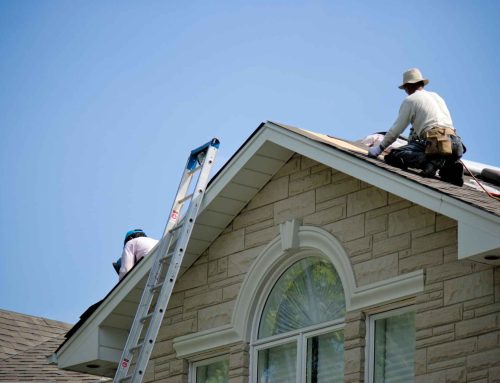
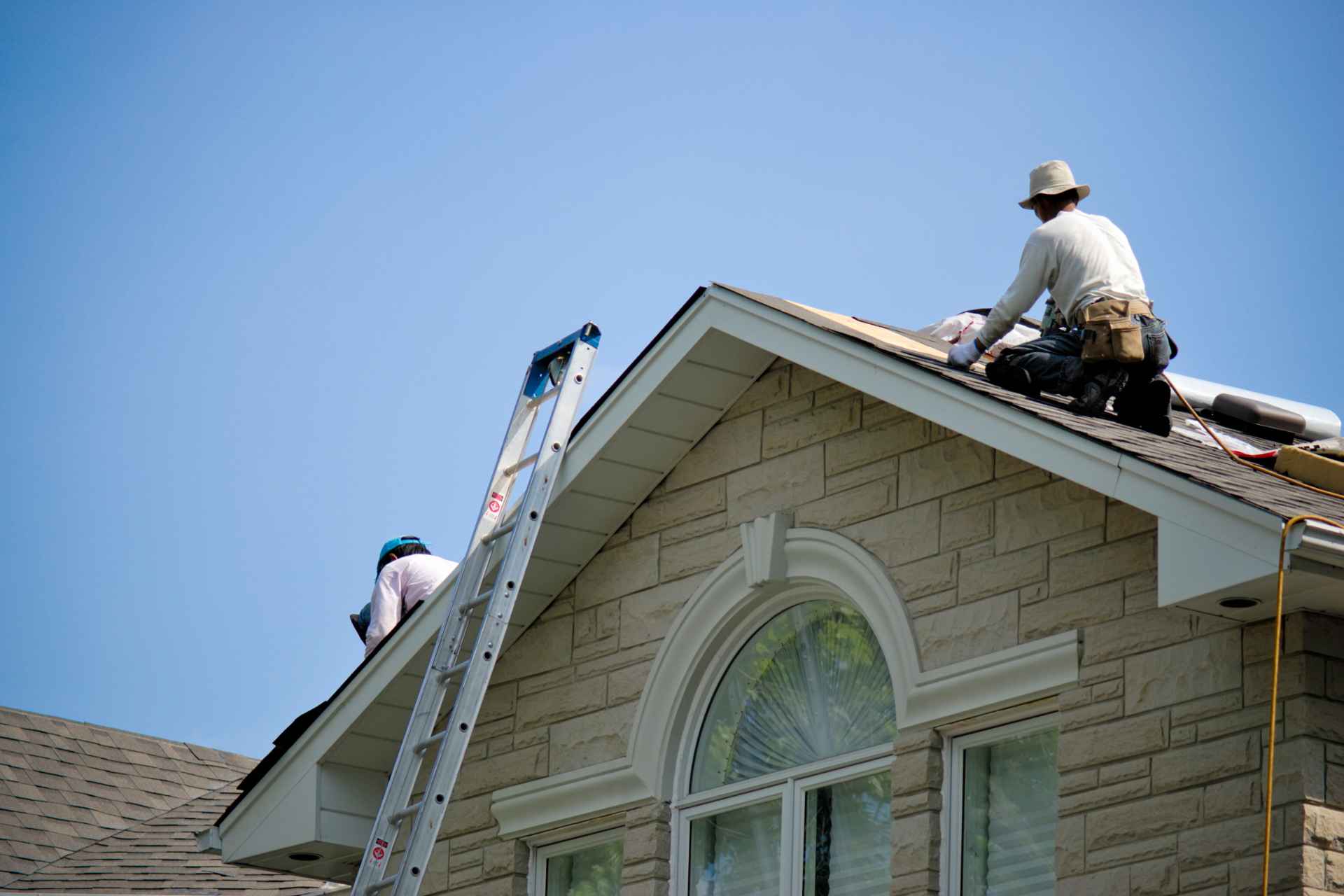
Even the highest-grade architectural shingles will fail early if installed incorrectly. Because roof work takes place high above ground level, installation shortcuts often go unnoticed until a severe windstorm or heavy rain exposes them.
Common installation errors include:
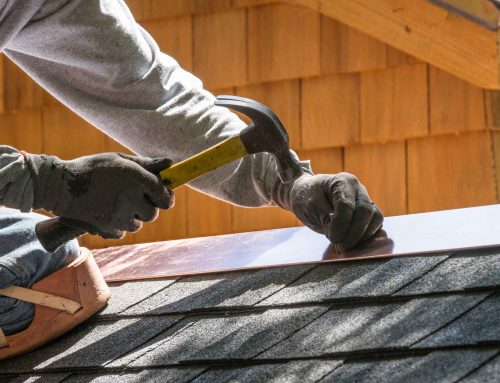
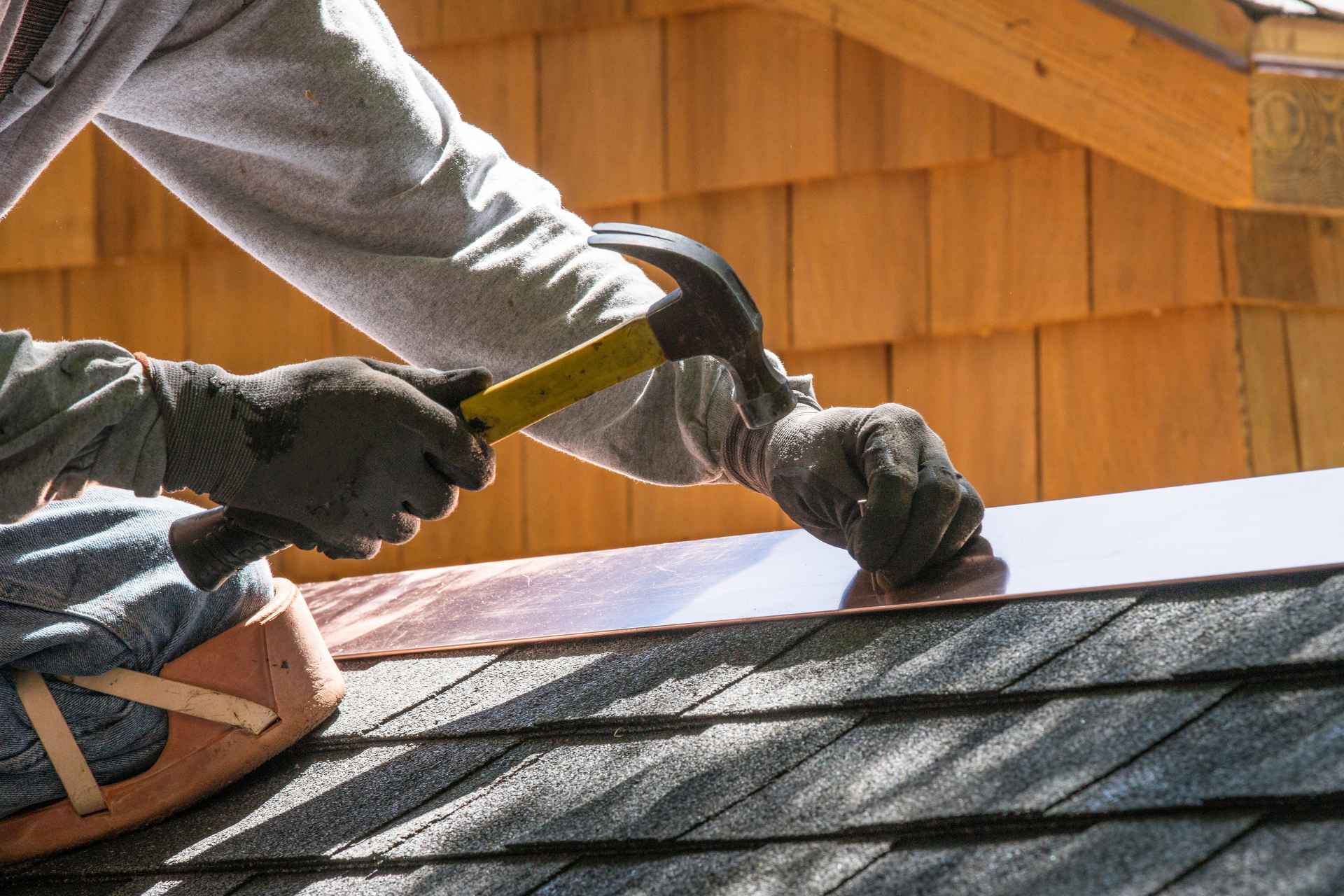
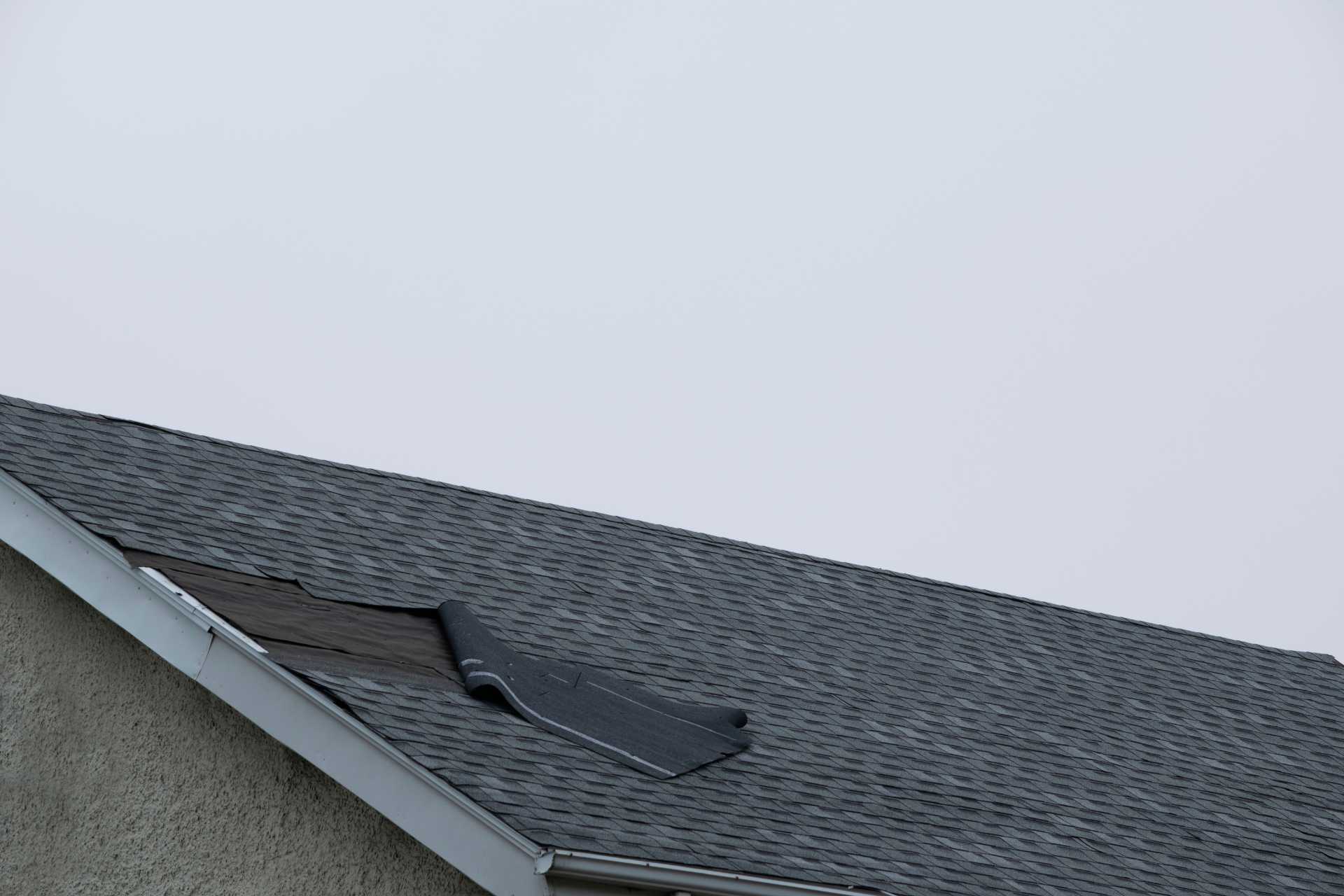
- High or Over-Driven Nails: Every shingle has a reinforced nailing strip engineered to hold fasteners securely. Nails placed too high miss the double-layered reinforcement strip, while nails driven too deep with an over-pressurized pneumatic gun slice straight through the fibreglass mat—leaving shingles vulnerable to sliding or tearing off in moderate winds.
- Over-Roofing (Laying New Shingles Over Old): Nailing a new layer of shingles directly over an existing worn-out roof traps heat between the two layers, hides underlying wood rot, and adds heavy dead weight to the framing.
- Skipped Starter Strips and Drip Edges: Omitting dedicated starter shingles along the eaves and rakes leaves perimeter edges unsealed against wind uplift, while missing metal drip edges allow rainwater to wick backward into the roof deck.
How to Prevent It: Whenever hiring a contractor for a new roof or major tear-off, verify that they remove old roofing down to the bare wood deck, install synthetic underlayment with ice-and-water shield along eaves and valleys, and follow manufacturer nailing specifications strictly.
3. Trapped Moisture and Neglected Gutters
Water is a roof’s relentless adversary, and its primary escape route is your gutter and downspout network. When leaves, pine needles, twigs, and shingle grit clog your gutters, rainwater has nowhere to go. Instead of draining safely away from the house, standing water backs up over the rear edge of the trough and saturates the fascia board, soffits, and lower roof sheathing.
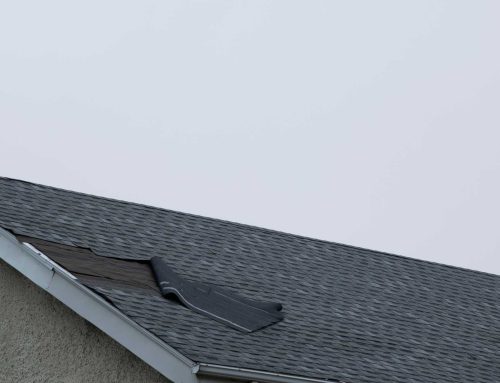
In cold regions, clogged gutters compound seasonal stress. Understanding why heavy winter snowfall can negatively affect your roof unless managed is essential: trapped slush freezes solid inside blocked gutters, creating heavy ice ridges that force melting snow water backward underneath shingle tabs and straight into your attic framing.
How to Prevent It: Clean your gutters thoroughly every late spring after tree blossoms drop and again in late autumn once leaves have fallen. Check that downspouts discharge water at least six feet away from your foundation, and consider installing mesh gutter guards if tall trees overhang your roofline.
4. Inadequate Attic Insulation and Air Leaks
Attic insulation and attic ventilation work as partners. While ventilation removes excess heat and moisture, insulation keeps conditioned indoor air inside your living spaces where it belongs.
When attic insulation is thin, compressed, or uneven—or when unsealed gaps around recessed lights, plumbing stacks, and attic hatches allow warm indoor air to leak upward—heat escapes directly through the roof deck. In winter, that escaping heat melts snow unevenly on the upper roof slope. As meltwater runs down toward the unheated, freezing eaves, it refreezes into thick ice dams that pry up shingles and force water into interior walls.
How to Prevent It: Seal air leaks around attic floor penetrations using fire-rated caulk or expanding foam before topping up attic insulation to recommended cold-climate R-values. Keeping the attic floor airtight keeps the roof deck uniformly cold in winter and cool in summer.
5. Deferred Maintenance and Unchecked Debris
Many homeowners take an “out of sight, out of mind” approach to their roofs until an interior ceiling stain demands attention. Unfortunately, small exterior issues rarely stay small:
- Overhanging Tree Branches: Limbs rubbing against the roof scrape off protective granules like sandpaper during windy days, while shaded, damp areas encourage thick moss and lichen growth that lifts shingle edges and holds moisture against the surface.
- Cracked Pipe Boots and Exposed Fasteners: Rubber plumbing vent collars typically dry out and crack after ten to twelve years, creating a direct funnel for rainwater long before the surrounding shingles wear out.
How to Prevent It: Trim overhanging tree branches back at least six to ten feet from the roofline. Make a habit of scanning your roof from the ground with binoculars after major wind or hail events, and remember that scheduling routine roof inspections can save you time and money by catching cracked vent boots, lifted tabs, or loose flashing while they are inexpensive fixes.
Protecting Your Roof for the Long Haul
Premature roof failure is almost always preventable. By ensuring your attic breathes cleanly through balanced ventilation, keeping insulation airtight, clearing gutters before seasonal storms hit, and addressing minor flashing or debris issues right away, you protect both your shingles and the structural wood framing beneath them. A little proactive care each spring and fall ensures your roof delivers decades of reliable, worry-free protection.