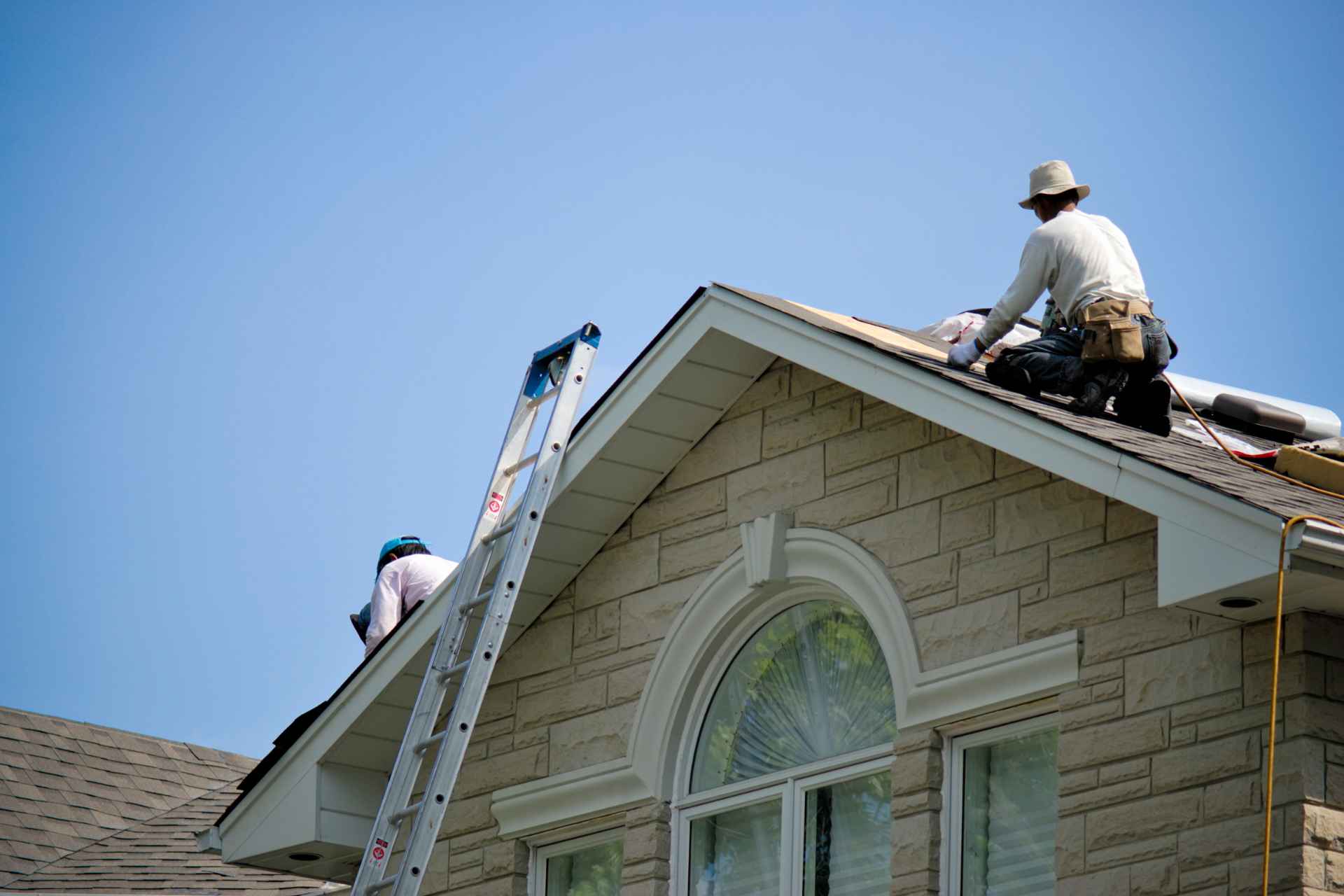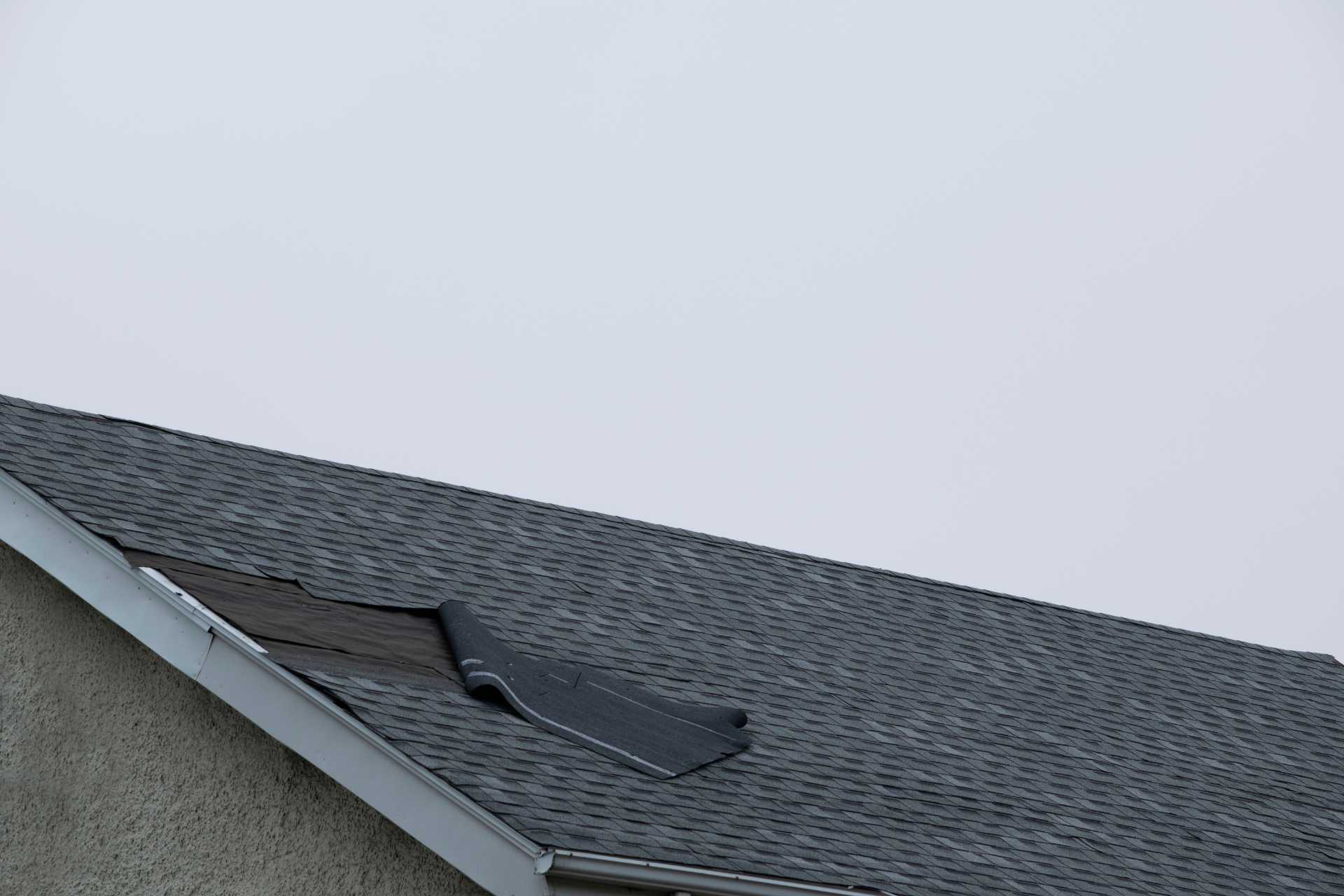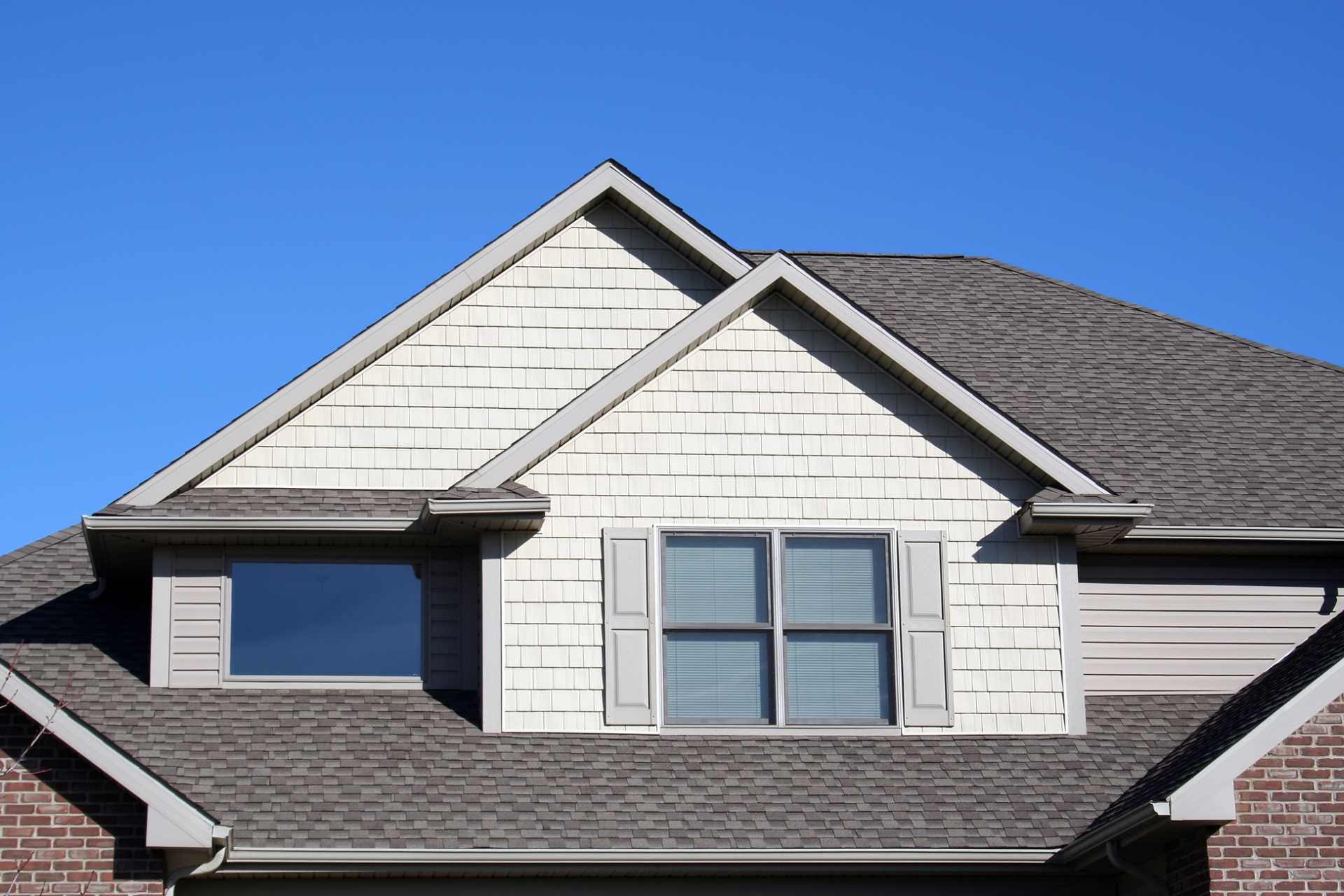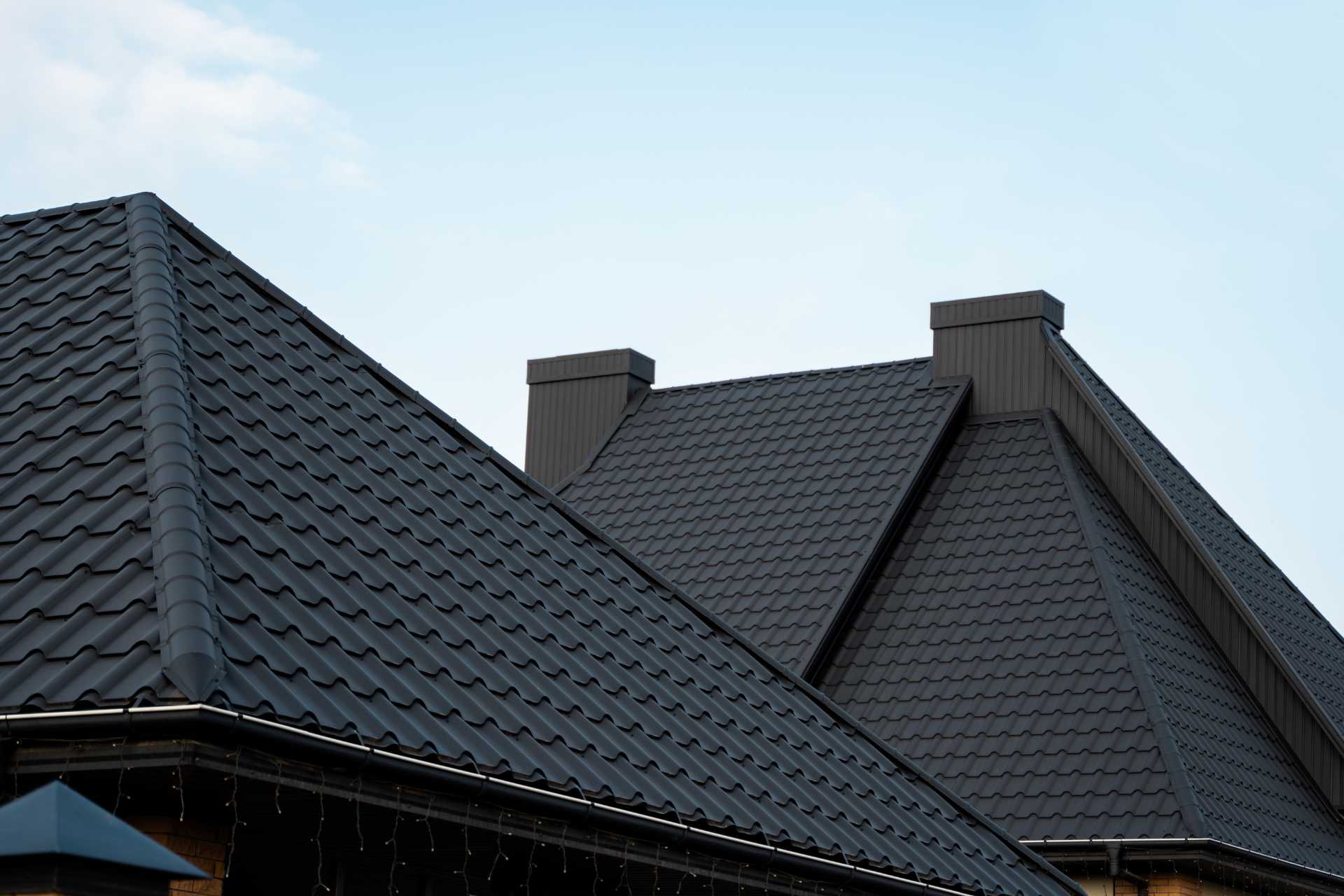
A residential building envelope operates as an active shield against relentless environmental stress. Across Canadian regions, overhead building assemblies endure extreme freeze-thaw cycles, high wind gusts, heavy winter snowpack, and intense summer ultraviolet radiation. Over time, these environmental forces place continuous strain on shingles, flashings, and underlying decking. Catching small material defects before they evolve into widespread structural rot requires proactive diagnostic care rather than reactive emergency repairs.
When managing a long-term property investment, waiting for water to stain interior ceiling drywall guarantees that costly structural damage has already occurred inside wall cavities and attic insulation. Whether you are planning a full roof replacement or preparing to place your property on the market with a local real estate agent, establishing a regular inspection schedule protects your building structure and preserves your home’s equity. A healthy roof ensures that seasonal meltwater and heavy downpours shed cleanly away from your property without compromising interior living spaces.
The Quick Edit
- The Core Vulnerability: Undetected flashing separations, degraded pipe boots, and ice dam water backups cause hidden rot long before leaks become visible inside the home.
- The Diagnostic Solution: Schedule professional bi-annual roof inspections (Spring and Fall) alongside attic thermal audits to catch micro-breaches early.
- The Strategic Benefit: Preventative inspections extend the operational lifespan of both shingle and metal roofs, prevent emergency repair costs, and protect property appraisal value.
The Hidden Mechanics of Roof Envelope Failure
A roof system rarely fails all at once. Instead, water intrusion begins through micro-breaches—tiny openings around mechanical penetrations, seam overlaps, or fastener lines. During Canadian winters, water enters these microscopic gaps and expands as it freezes. This expansion cycle widens the cracks, loosens surrounding fasteners, and breaks adhesive factory seals.
When left unaddressed, trapped water travels along rafters and saturates attic insulation. Saturated insulation loses its thermal resistance (R-value), forcing heating systems to work harder and driving up monthly utility bills. By the time damp spots appear on interior drywall, water has often compromised underlying plywood decking, structural trusses, and wall framing.
Diagnostic Checklist: Addressing the Most Common Roofing Problems
A comprehensive inspection evaluates the roof as an integrated system, checking the primary water-shedding surface, perimeter flashings, and attic ventilation. Identifying most common roofing problems during early visual assessments keeps repair scopes small and affordable:
- Granule Loss and Mat Exposure: On asphalt shingle roofs, excessive granule accumulation in gutters signals advanced weathering, leaving underlying fibreglass vulnerable to solar degradation.
- Flashing and Sealant Separation: Metal step flashings around chimneys, dormers, and sidewalls expand and contract at different rates than surrounding materials. Cracking caulk or lifted metal edges allow immediate water entry.
- Degraded Plumbing Pipe Boots: Neoprene rubber collars around vent stacks crack after years of UV exposure, creating a direct path for rainwater to flow down plumbing pipes into ceiling cavities.
- Fastener Back-Outs on Metal Panels: Temperature shifts cause metal panels to move. On exposed-fastener metal roofs, neoprene washers can dry out or back out, breaking the watertight seal.
- Ice Dam Backup Indicators: Lifted edge shingles or water-stained soffits indicate that winter meltwater has backed up behind ice dams along unvented eaves.
The Thermal Dynamics of Attic Ventilation and Moisture Audits
A thorough roof inspection goes far beyond examining exterior surface materials. The internal attic space serves as a crucial diagnostic zone for evaluating the overall health of the building envelope. During cold winter months, warm, moisture-laden air from living areas rises into the attic. If the space lacks balanced intake and exhaust ventilation, this humid air condenses on the underside of the cold roof sheathing, creating an environment ripe for mould growth and structural decay.
During an interior attic audit, inspectors check for telltale signs of ventilation failure, such as frosted nail points, black mould spots on plywood panels, or damp, compressed insulation. Unvented heat buildup during summer months can bake asphalt shingles from underneath, causing premature granule loss and material curling. By verifying that soffit intake baffles remain clear of insulation blockages and that ridge exhaust vents function properly, inspectors ensure that the roof deck remains dry, stable, and thermally efficient year-round.
Property Appraisals: How the Roof Condition Affects the Value of Your House
A roof does more than protect structural framing; it directly influences property valuations and real estate transactions. Real estate appraisers, mortgage lenders, and prospective home buyers evaluate the overhead assembly as a core indicator of a property’s overall maintenance history.
Understanding how the roof condition affects the value of your house helps homeowners make informed capital investment decisions. An aging roof with curling shingles or visible wear lowers a home’s appraised market value and can trigger mandatory repair requirements from mortgage lenders before closing a sale. Conversely, a documented history of professional inspections and a pristine roof structure give buyers confidence, supporting higher asking prices and faster sales.
Integrating Roof Audits into Your Exterior Maintenance Routine
Incorporating semi-annual roof assessments into your broader exterior maintenance routine ensures that your home remains fully protected against severe weather. Rather than waiting for major storm damage to occur, establishing a consistent seasonal schedule allows you to address minor wear and tear before it threatens your building envelope.
- Spring Post-Winter Audit: Inspect the roof plane immediately after the winter thaw to identify damage caused by heavy snow loads, ice damming, or freeze-thaw expansion.
- Fall Pre-Winter Preparation: Clear gutters, clear valley drainage channels, and verify that flashing seals are intact before freezing temperatures and snow arrive.
- Interior Attic Checks: Inspect the underside of the roof deck for dark water stains, rusty nail tips, or matted insulation, which signal active vapour leaks or inadequate ventilation.
- Ground-Level Perimeter Scanning: Use binoculars or high-resolution photography to check ridge caps, eave edges, and fascia boards without climbing onto the roof.
Storm Damage Assessment and Insurance Claims Documentation
Severe weather events—such as high-velocity windstorms, sudden hail downpours, and ice storms—can inflict sudden structural damage on both shingle and metal roofs. Following a major weather event, conducting an immediate, documented roof inspection is critical for filing successful insurance claims and preventing secondary water damage inside the home.
Inspectors document impact bruises on shingles, displaced ridge caps, dented metal flashings, and wind-torn panels using detailed photographic evidence and written condition reports. Having a pre-existing record of routine maintenance inspections strengthens insurance claims by proving that the damage resulted directly from a recent storm event rather than chronic neglect. Prompt inspection and temporary tarping also prevent water from infiltrating living spaces while permanent insurance repairs are approved and scheduled.
Reactive Repairs vs. Proactive Inspection Programs
Understanding the financial difference between reactive and proactive maintenance approaches illustrates why routine inspections deliver superior long-term value. Homeowners who follow a reactive strategy address issues only after interior water stains, dripping ceilings, or active leaks appear. This approach often leads to expensive emergency service calls, extensive interior drywall repairs, mould remediation, and premature full-deck replacements due to undetected structural rot.
In contrast, a proactive inspection program relies on scheduled bi-annual assessments to catch minor vulnerabilities—such as cracking sealant lines, loose flashing boots, or displaced shingles—before water ever enters the home. Spending small amounts on minor preventative adjustments extends the operational service life of the roof to its full manufacturer rating, preserves attic insulation performance, keeps utility bills stable, and protects overall property value over time.
Protecting Your Building Envelope and Equity
A roof inspection is one of the most cost-effective investments a homeowner can make to preserve building envelope health. By identifying micro-breaches, clearing drainage pathways, and verifying flashing seals twice a year, you prevent structural wood rot and avoid expensive emergency teardowns. Establishing a consistent maintenance routine extends the operational life of your roof, keeps heating and cooling costs stable, and secures your property’s financial equity for years to come.