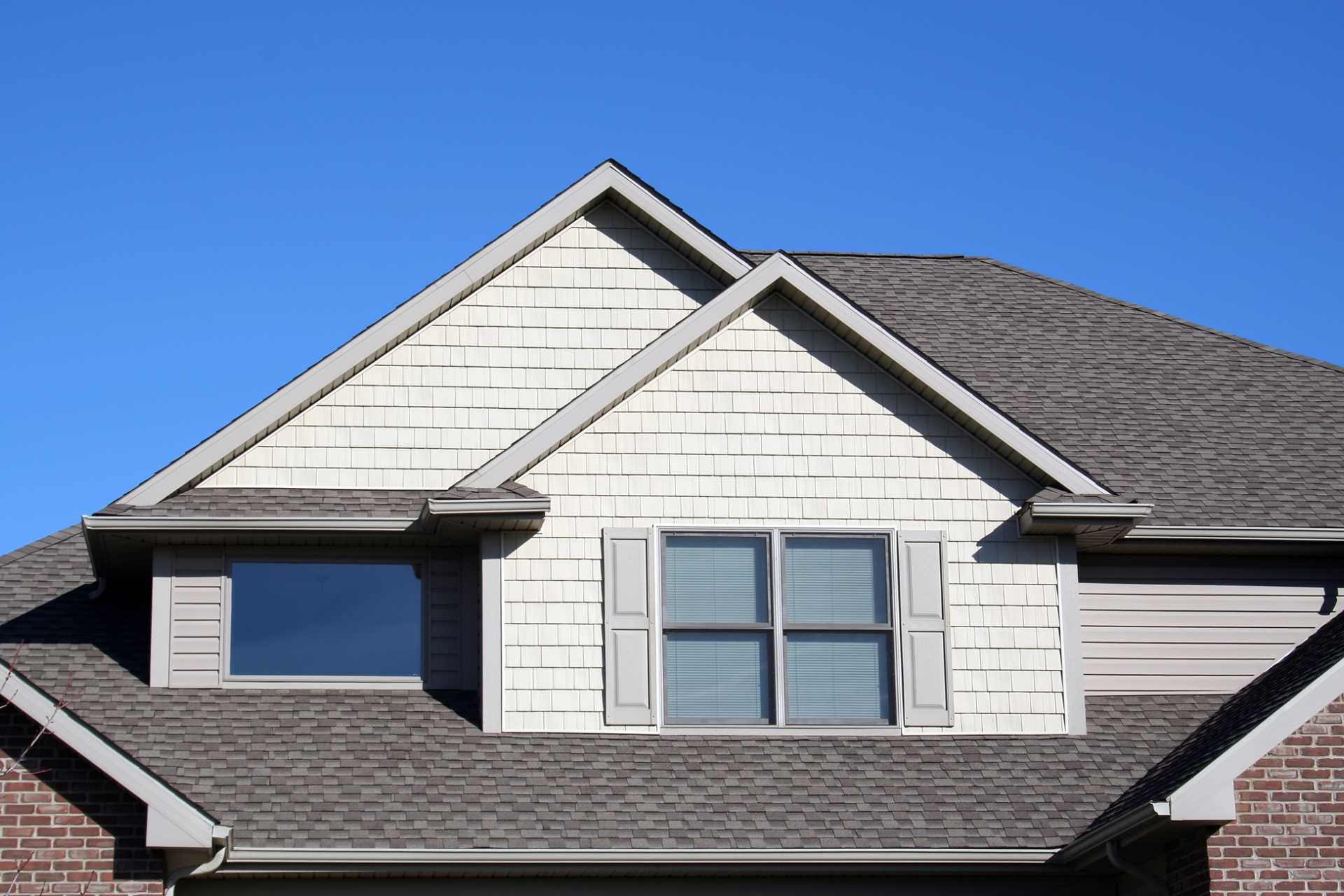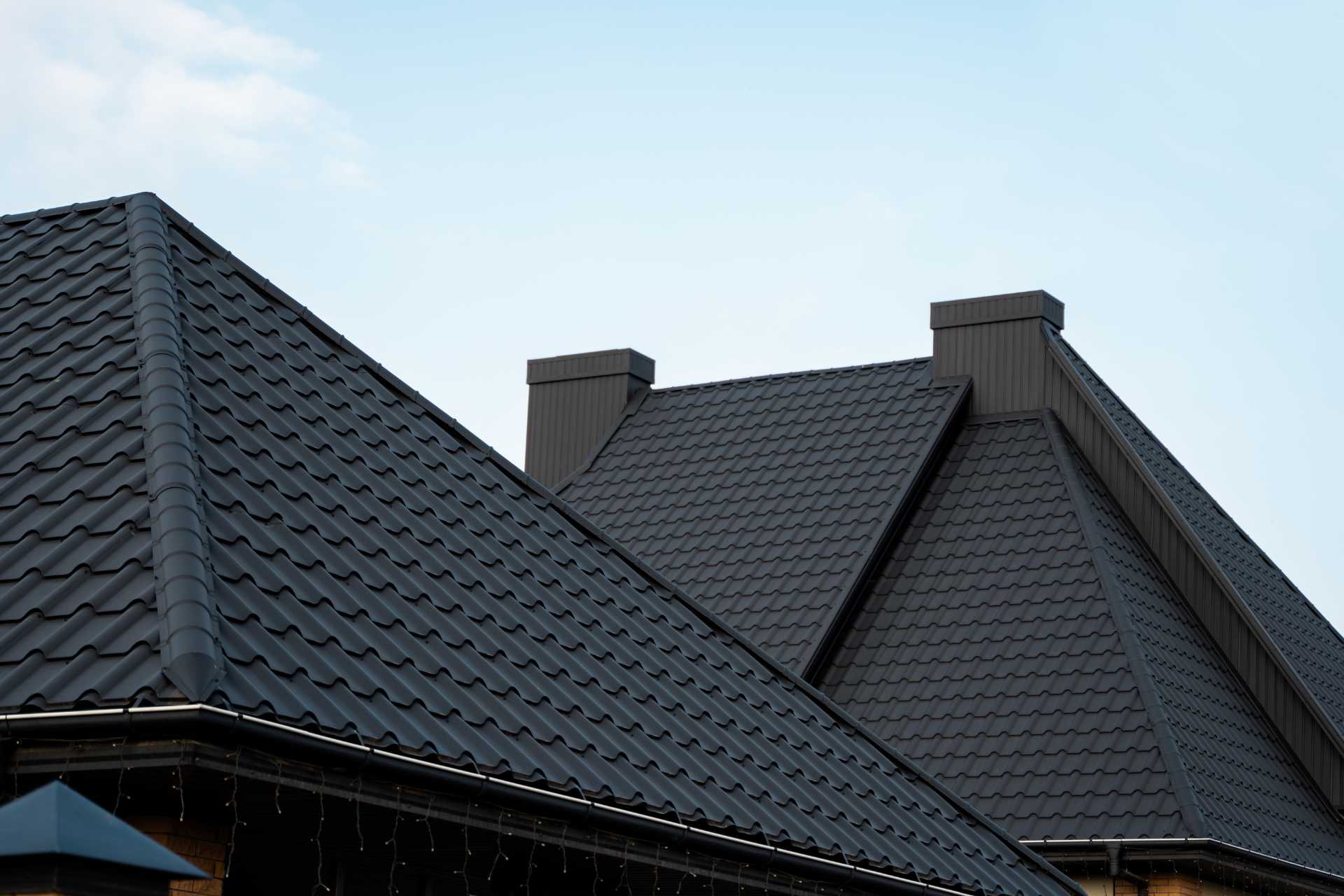
Canadian weather transitions occur with remarkable speed. As autumn rain gives way to freezing temperatures and heavy snowpack, the roof deck becomes your home’s primary line of defence against severe atmospheric loads. Evaluating the structural readiness of your upper envelope before sub-zero weather locks down the roof surface ensures minor seal failures or fastener fatigue are corrected before winter conditions elevate structural risks.
A complete pre-winter audit requires looking at your property holistically. While structural upgrades like a full roof replacement resolve aging deck issues overhead, pairing roof maintenance with envelope improvements like thermal window replacement guarantees that heat stays inside your living spaces while your roof structure remains dry and resilient through extreme seasonal shifts.
The Quick Edit
- Visual Ground & Attic Walkthroughs: Check attic insulation ratios, rafter moisture levels, and roofline straightness before stepping onto the roof surface.
- Fastener & Rubber Washer Audits: Inspect exposed screws and EPDM gaskets for UV breakdown, micro-cracking, or over-torqued seals that allow winter leaks.
- Drainage & Penetration Clearance: Clear organic debris from valleys, seal pipe boots, and verify snow guard retention mechanics before the first snowfall.
Ground-Level and Attic Cavity Pre-Inspection Protocols
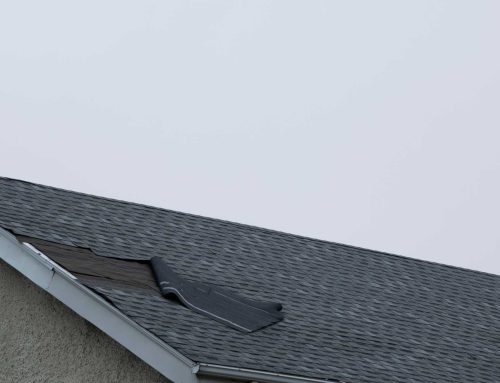
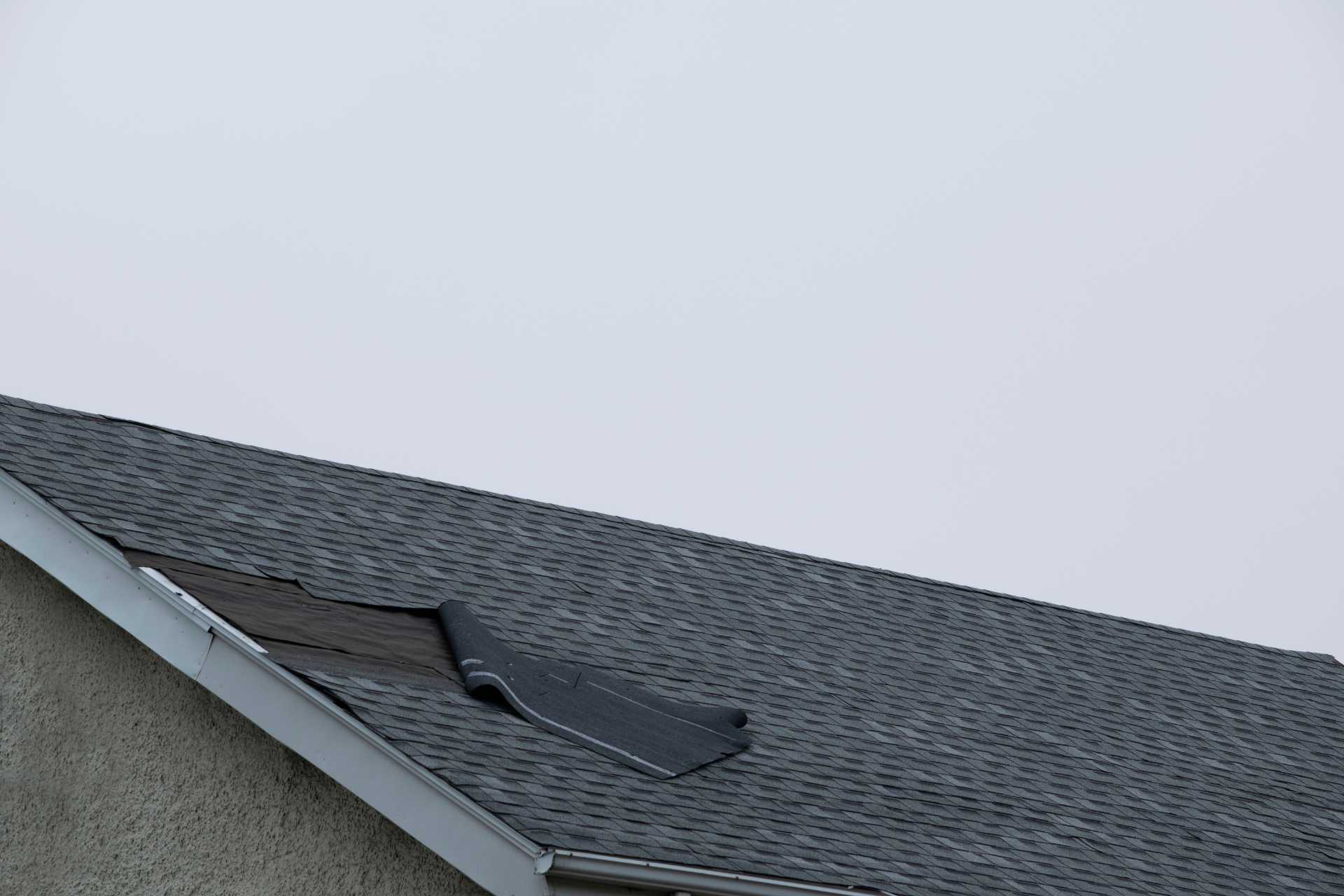
Before setting up ladders or stepping onto a damp autumn roof plane, a thorough pre-winter audit begins with ground-level observation and interior attic diagnostics. Binoculars allow property owners to scan main roof slopes safely, identifying lifted shingles, warped ridge caps, or misaligned flashing strips from the ground.
Following a visual exterior check, inspecting the attic cavity offers direct insight into the health of your roof assembly. Moisture issues almost always leave internal evidence before causing major exterior structural failures.
Key interior attic inspection metrics include:
- Daylight Ingress Checks: Turn off attic lighting during mid-day hours. Visible light penetrating through eaves or valley seams indicates gaps where wind-driven snow will enter during winter storms.
- Rafter Moisture Probing: Check wood moisture content along rafter tails and sheathing joints using a pin-type moisture meter. Readings above 18% moisture signal active leak paths requiring immediate exterior sealing.
- Ventilation Balance: Ensure soffit intake vents are completely clear of attic insulation batts. Proper airflow keeps attic temperatures balanced with outdoor air, preventing interior heat loss from melting lower snow layers and driving ice dam formation.
Technical Exterior Hardware: Fastener Torque, Gaskets, and Washer Fatigue
On exposed-fastener metal panel systems and shingle flashing interfaces, mechanical hardware takes the brunt of seasonal thermal expansion. As solar radiation heats roof panels during summer months, metal expands, shifting slightly across wooden purlins. When cold autumn winds arrive, the metal contracts rapidly.
This thermal cycling subjects fasteners to continuous shear stresses. Over time, neoprene and EPDM rubber sealing washers undergo UV oxidation, causing them to dry out, lose elasticity, and split.
| Fastener Defect | Physical Appearance | Leak Mechanism | Corrective Technical Action |
| Over-Torqued Screw | Concave metal washer; crushed, splayed rubber lip | Micro-fissures in rubber allow capillary water draw | Replace fastener; torque to flat rubber compression |
| Under-Torqued Screw | Screw head sits high; rubber gasket loose against panel | Water streams directly around exposed shank threads | Tighten fastener until EPDM washer forms snug seal |
| UV-Cracked Washer | Brittle, flaking, or missing EPDM rubber ring | Rain and snow melt enter screw penetration points | Back out fastener; install oversized washer screw |
| Back-Out Fastener | Screw pulled completely out of wood purlin grip | Wind lift catches panel edge; heavy water leakage | Re-screw using structural oversized repair fastener |
Addressing fastener fatigue during autumn maintenance keeps outer panel seals watertight. Replacing dried rubber washers before sub-zero freezes arrive prevents cold meltwater from seeping into internal screw threads and rotting underlying structural purlins.
Flashings, Pipe Boots, and Structural Penetration Audits
Protrusions through the roof plane—including plumbing vent stacks, chimneys, skylights, and attic exhaust flues—account for over 80% of all pre-winter roof leaks. Differing thermal expansion rates between metal flashings, PVC vent pipes, masonry brick, and wooden roof decks create severe stress along interface seals.
A technical inspection focuses closely on these key penetration points:
- Plumbing Stack Boots: Neoprene boots surrounding PVC vent pipes deteriorate under sunlight. Inspect the flexible collar for split seams or ozone cracking. If the rubber collar has hardened, install a retrofit boot cover or replace the flashing assembly.
- Masonry Counter-Flashings: Chimney flashings require continuous mechanical anchorage into brick mortar joints. Inspect polyurethane caulking along counter-flashing reglets. Re-seal any dry, separated sealant lines with high-grade elastomeric sealant.
- Valleys and Side-Wall Seams: Clear all pine needles, leaves, and organic sediment from metal valley flashings. Accumulated debris traps moisture against metal lap seams, degrading factory paint finishes and accelerating rust formation.
Drainage Systems, Valley Clearance, and Snow Retention Hardware
A roof must shed water smoothly to perform correctly. When autumn leaves and pine needles clog valleys or eave troughs, rainwater pools along perimeter edges, creating prime conditions for freeze-thaw damage once winter arrives.
Property owners must clean the gutters safely and effectively using proper ladder stand-offs and protective gloves before the first seasonal freeze. Ensuring downspout extensions discharge water at least six feet away from perimeter walls protects foundation footings while keeping lower eave margins clear of standing water.
In heavy snowfall regions, autumn inspections must also verify snow retention systems:
- Snow Guard Anchor Torque: Inspect mechanical clamps securing snow guards to standing seam ribs. Ensure bolts are torqued to manufacturer specification so guards withstand sudden snowpack slides.
- Gasket Closures at Ridge Caps: Check contoured foam closures beneath ridge caps to ensure wind cannot blow snow into the top ridge attic exhaust openings.
Converting Inspections into Long-Term Envelope Preservation
Conducting a thorough fall roof audit does more than prepare your home for the immediate winter season; it forms the foundation of a proactive home asset strategy. Documenting annual inspection findings with photographs and moisture meter readings allows property owners to spot trends in wear, track structural performance over time, and plan repairs strategically.
Integrating upper roof checks into your seasonal schedule keeps overall house exterior maintenance organized and manageable. Addressing minor sealant cracks, loose flashings, or single compromised panel fasteners in September eliminates the stress and excessive expense of emergency winter calls when freezing winds make repairs hazardous.
Ultimately, catching minor roof issues can turn into major costly repairs if left unchecked through a Canadian winter. A simple $50 flashing seal repair carried out during dry fall weather prevents thousands of dollars in winter water damage, interior drywall replacement, and emergency structural repairs.
Thermal Bridging, Air Sealing, and Attic Insulation Integrity
While inspecting structural hardware and flashing joints secures the exterior plane, a complete fall audit must also evaluate thermal performance beneath the roof deck. Warm air escaping from living spaces into the attic cavity creates severe temperature imbalances across the roof plane. As warm indoor air rises, it carries moisture that condenses on the cold underside of timber sheathing, fostering mould growth and accelerating internal rot.
Executing a pre-winter thermal audit requires addressing three key insulation metrics:
- Attic Air Sealing: Seal all ceiling penetrations—including recessed light cans, plumbing stacks, and attic access hatches—using expanding polyurethane foam or elastomeric caulking to stop warm air exfiltration.
- Insulation R-Value Verification: Ensure attic insulation levels meet recommended Canadian thermal standards (typically R-60). Verify that insulation is laid evenly without compression gaps around rafter edges.
- Baffle Installation at Eaves: Verify that rigid foam ventilation baffles are securely anchored at eave margins. Baffles maintain a clear continuous pathway for cold intake air to sweep past soffits without blowing insulation batts out of position.
Controlling thermal transfer between heated living areas and cold attic spaces stabilizes roof deck temperatures. Balancing internal attic climate prevents premature snowmelt along upper slopes, halting the primary engine that drives mid-winter ice dam formation and perimeter flashing failure.
Complete Winterization Peace of Mind
A comprehensive fall roof audit transforms seasonal maintenance into structural insurance. By inspecting attic spaces, auditing fastener torque, securing flashing transitions, and clearing drainage valleys before freezing temperatures arrive, property owners lock out moisture intrusion, protect structural framing assets, and enjoy complete peace of mind through the harshest winter weather.