Are those heating and cooling bills making you wince every month, even when you are careful with the thermostat? The surprising culprit could be right outside your window: your home’s exterior siding. It’s true – outdated or damaged siding does more than just spoil your home’s curb appeal; it could be secretly inflating your energy costs. Many homeowners don’t realize that their siding is a crucial barrier, silently dictating how much they pay to stay comfortable.
This guide is designed to show you how choosing the right siding isn’t just an upgrade, it’s an investment in your home’s energy efficiency. Imagine better insulation, fewer drafts, and a noticeable drop in your energy bills – all while making your home more comfortable year-round. Let’s uncover how your siding impacts your energy use and what smart steps you can take to keep those costs down and comfort levels up.
The Silent Energy Thief: How Inefficient Siding Drains Your Wallet
Think of your siding as your home’s first line of defence – not just against rain and snow, but against energy waste. It’s more than just a pretty face; it’s a key part of what keeps your conditioned air in and the harsh Canadian weather out. When siding is old, damaged, or wasn’t installed properly, it can create “thermal bridges.” This means your precious heated air can escape in the winter, and unwelcome summer heat can sneak in, forcing your furnace and air conditioner to work overtime, and your energy bills to climb.
This energy drain happens in a few ways. Old or damaged siding often has a very low R-value (its ability to insulate), meaning it does little to stop temperature transfer. If you see cracks, warping, or panels pulling away, these are open invitations for air leakage. This creates those annoying drafts and makes it tough to keep your home at a steady, comfortable temperature. Worse still, if moisture gets behind faulty siding, it can make your insulation damp and far less effective, potentially leading to bigger structural headaches and even higher energy costs.
Red Flags: Is Your Siding Screaming for Help?
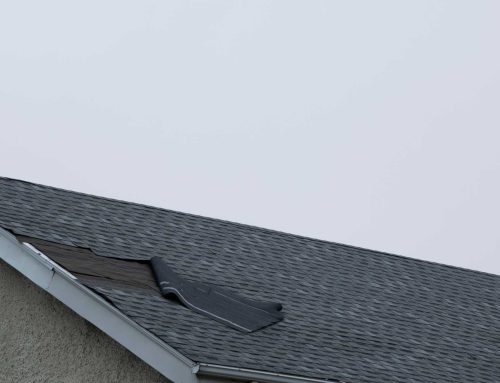
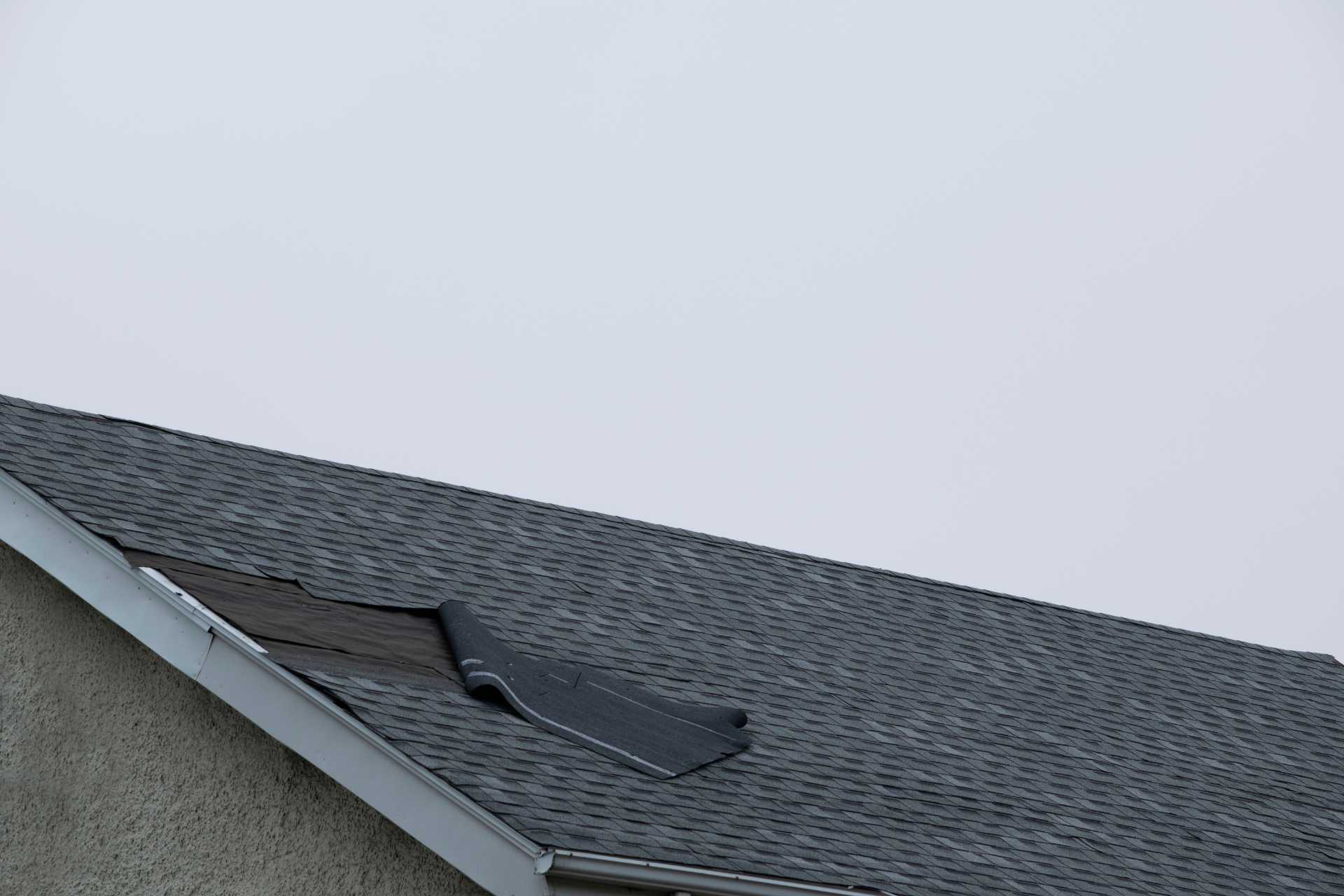
Your home might be sending out SOS signals about its siding. Catching these warnings early can save you a bundle. Take a walk around your property to check for obvious signs of trouble. Cracks, holes, warping, buckling, or rot mean its protective power is fading. Look for loose panels or gaps around windows, doors, and seams. These openings let energy escape easily. Faded or peeling paint also indicates aging siding that can no longer protect your home efficiently. Additionally, watch for mould, mildew, or water stains, as these signal serious moisture problems.
Beyond visual damage, pay attention to how your home feels and performs. Are your energy bills creeping up compared to previous years or your neighbours’ homes? Do certain rooms feel noticeably colder or hotter than others? If your heating or cooling system runs non-stop, faulty siding could be the main cause. Even an increase in indoor pests suggests your exterior has gaps they are exploiting. These issues are not just minor annoyances; they are clear clues that your siding is costing you money.
Siding Materials & Their Energy Efficiency Superpowers: Making the Smart Choice for Your Home
When it comes to boosting your home’s energy efficiency, not all siding materials are created equal – some pack a much bigger punch! Vinyl siding is a popular choice for many Canadian homeowners because it’s budget-friendly and doesn’t demand a lot of upkeep. For an extra energy-saving boost, you can even get insulated vinyl siding, which comes with a layer of foam backing to increase its R-value and help keep your home cozier. Another fantastic option is fibre cement siding. It’s incredibly durable, stands up brilliantly to pests and moisture (a big plus in our climate!), and offers very good insulation, especially when installed correctly with a proper weather barrier.
If you love the classic look of wood, options like clapboard or shingles have natural insulating properties. However, they do need consistent maintenance to prevent issues like rot, which can compromise their efficiency. Engineered wood siding offers a great middle-ground, giving you that beautiful wood aesthetic but with added durability and more reliable performance. For homes aiming for top-tier thermal mass – which helps naturally regulate indoor temperatures by slowing heat transfer – materials like stucco or brick and stone veneer are excellent choices, though they often come with a higher upfront cost. Choosing wisely means looking at the material’s R-value, how well it pairs with extra insulation, and its toughness against our Canadian weather.
Beyond the Material: Why Expert Installation & Smart Maintenance Are Non-Negotiable
Choosing top-quality, energy-efficient siding is a fantastic start. However, its real-world performance depends heavily on how it is installed. Even the best siding can fail if skilled professionals do not put it up. Proper installation is key to unlocking energy savings and ensuring long-term durability. This requires meticulous attention to detail, such as creating airtight seals with flashing and caulking around every window, door, and vent. Using correct fastening techniques is also vital. Improper nailing can lead to warping, buckling, or gaps that compromise efficiency. Finally, your siding must integrate with a quality house wrap to fully protect your home.
The job is not done once the siding is up. Ongoing, smart maintenance is essential to keep it working efficiently and looking great. Make a habit of walking around your home to inspect the exterior regularly. Catching and repairing small dings, cracks, or loose spots early prevents big, expensive headaches later. Keeping the siding clean according to the manufacturer’s advice prevents degradation and maintains its reflective properties. Depending on the material, you may also need to repaint or reseal it every few years. This keeps the protective layer strong and your energy bills in check.
The Amazing ROI of Energy-Efficient Siding: Comfort, Savings, and So Much More!
Investing in new, energy-efficient siding for your home isn’t just an expense; it’s a smart investment that pays you back in multiple ways. The most immediate and exciting return? Lower monthly energy bills! With better insulation and fewer drafts, your heating and cooling systems won’t have to work nearly as hard or as often, leading to noticeable savings that you’ll appreciate every single month. Plus, homes with energy-efficient upgrades like quality siding are real head-turners for any real estate agent showing your property, often fetching a higher resale value. It’s a feature that signals a well-cared-for, cost-effective home. Don’t forget to check for any local, provincial, or even federal rebates or tax credits available for energy-efficient home improvements – these can help make your siding project even more affordable!
But the benefits don’t stop at your bank account. Imagine a home where every room feels consistently comfortable, with no more chilly drafts in the winter or stuffy hotspots in the summer. That’s the kind of everyday luxury energy-efficient siding provides. It also adds an extra layer of protection for your home’s structure, helping it last longer. Some siding types even offer better sound insulation, giving you a quieter indoor space. And, by cutting down on your energy use, you’re also reducing your home’s carbon footprint, which is a great feeling. It’s an investment in your comfort, your home’s value, and a greener planet.
Siding with Savings: Your Home’s Best Defence Against Wasted Energy!
So, let’s be clear: your home’s siding is a major player in its energy efficiency game. If it’s old, damaged, or simply not up to par, it could be quietly costing you a small fortune in wasted energy and leaving your home less comfortable than it should be. But here’s the good news: understanding how to spot the signs of trouble and knowing about today’s fantastic energy-efficient siding options puts you in the driver’s seat. You have the power to make smart choices that will boost your home’s comfort and shrink those energy bills.
It’s time to take a proactive stance. Give your current siding a good, honest look-over for any of those red flags we talked about. If you suspect your siding is underperforming, or if those energy bills just don’t make sense, consider getting a professional home energy audit to get a clear picture. And when you’re ready for an upgrade, do your homework on the best energy-efficient siding materials for our Canadian climate and, crucially, make sure it’s installed by experienced professionals. Whether part of a full exterior update or broader external renovations, don’t let your siding be a silent drain on your finances – invest in your home’s energy performance and enjoy the comfort and savings for years to come!